

It's one of skincare's most confusing dilemmas: you notice an oily shine on your forehead and nose, but when you look closer, there are dry, flaky patches on your cheeks or between your eyebrows. You might find yourself wondering, "Am I oily? Am I dry? What's actually happening here?" If you've ever felt stuck between skincare solutions—unsure whether to mattify or moisturize—you're definitely not alone.
This frustrating condition is so common that it deserves its own name, but most people just describe it as "combination skin." However, what you're likely experiencing is actually dehydrated skin—a condition that can affect any skin type. The good news? Once you understand what's really happening with your skin, the path to fixing it becomes much clearer. Let's unravel this mystery together and get your skin back to a comfortable, balanced state.
The Real Culprit: Dehydrated Skin
First, let's clear up a common confusion: dryness versus dehydration.
-
Dry skin is a skin type characterized by a lack of oil (sebum)
-
Dehydrated skin is a condition where your skin lacks water
This is why your skin can be both oily and flaky at the same time! Your oil production might be working overtime (leading to shine), but your skin's water content is low (causing flakiness and tightness). Think of it like a crispy fried chicken—oily on the outside, but dry on the inside.
What Causes This Confusing Combination?
Several factors can throw your skin's balance out of whack:
1. Over-cleansing or Harsh Products: Stripping your skin of its natural oils signals your sebaceous glands to produce even more oil to compensate, while simultaneously damaging your moisture barrier.
2. Environmental Stressors: Cold weather, wind, and indoor heating can all suck moisture from your skin while triggering inflammation and excess oil production.
3. Incorrect Product Use: Using products that are too heavy or occlusive can clog pores, while products that are too light may not provide enough hydration.
4. A Damaged Skin Barrier: When your skin's protective barrier is compromised, it can't hold onto moisture effectively, leading to water loss even if you're using moisturizer.
Your Solution: The Hydration-First Approach
The goal isn't to eliminate oil—it's to balance your skin's hydration levels. When your skin has enough water, it often calms down on oil production naturally. Here's how to achieve that balance:
Step 1: Cleanse Gently, Respectfully
Your first instinct might be to scrub away the oil and flakes, but this will only make things worse. What your skin needs is a gentle cleanse that removes impurities without compromising your delicate moisture barrier.

Your Cleansing Solution: Gentle Cleansing Gel
This pH-balanced cleanser effectively removes excess oil and impurities without that tight, stripped feeling. It cleanses with respect, preparing your skin to receive hydration rather than punishing it for being oily.
Step 2: Hydrate, Hydrate, Hydrate
This is the most crucial step for dehydrated skin. You need to deliver hydration deep into your skin cells and then seal it in.

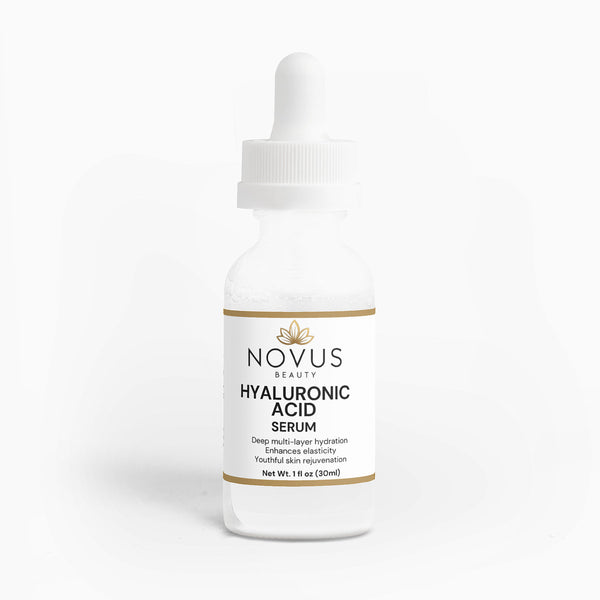
Your Hydration Hero: Hyaluronic Acid Serum
Hyaluronic acid is a moisture magnet that can hold up to 1,000 times its weight in water. When applied to damp skin, it pulls hydration deep into your skin's layers, plumping up those dehydrated cells from within. This helps alleviate both the flakiness (by hydrating dry patches) and the oiliness (by signaling your skin that it doesn't need to overproduce oil).
Step 3: Balance and Soothe
Dehydrated skin is often inflamed and sensitive. Using ingredients that calm inflammation while balancing oil production can work wonders.

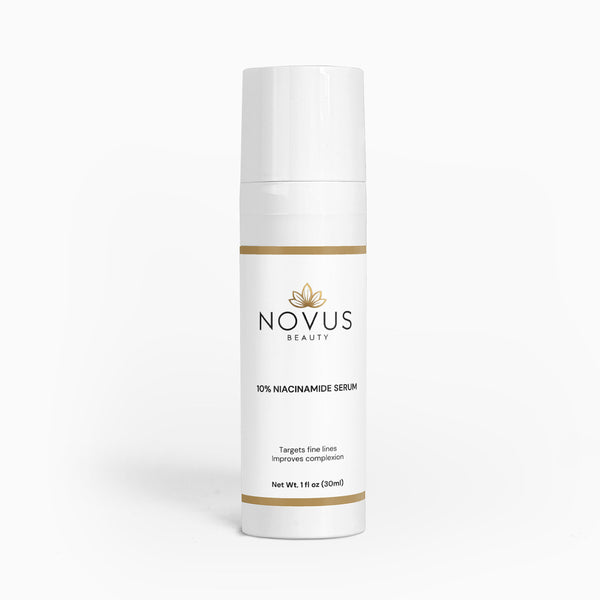
Your Balancing Act: 10% Niacinamide Serum
Niacinamide is a true multi-tasker for dehydrated, oily skin. It helps regulate sebum production, strengthens your skin barrier, and reduces redness and inflammation. It's the perfect ingredient to address both sides of your skin dilemma simultaneously.
Step 4: Moisturize Intelligently
Yes, even oily, dehydrated skin needs moisturizer! The key is choosing one that hydrates without clogging pores or feeling heavy.

Your Moisturizing Solution: Hydro Balancing Gel-Cream
This lightweight gel-cream provides the perfect amount of hydration for skin that's both oily and flaky. It delivers moisture where you need it without adding heaviness or shine, helping to balance your skin's texture throughout the day.
What to Avoid When Your Skin is Both Oily and Flaky
As you work to rebalance your skin, steer clear of these common mistakes:
-
Harsh physical scrubs: These can further damage your moisture barrier and spread bacteria
-
Alcohol-based toners and astringents: They provide temporary oil control but worsen dehydration
-
Clay masks every day: While helpful for oil control, overuse can be too drying
-
Skipping moisturizer: This will only make your skin produce more oil to compensate
-
Hot water: It strips your skin's natural oils, worsening both oiliness and dehydration
Your Simple Routine for Balanced Skin
Morning:
-
Cleanse with Gentle Cleansing Gel and lukewarm water
-
Apply Hyaluronic Acid Serum to damp skin
-
Follow with 10% Niacinamide Serum
-
Moisturize with Hydro Balancing Gel-Cream
-
Always finish with sunscreen
Evening:
-
Double cleanse if wearing makeup or sunscreen
-
Apply Hyaluronic Acid Serum to damp skin
-
Lock in hydration with Hydro Balancing Gel-Cream
Beyond Skincare: Supporting Your Skin from Within
While the right topical routine is essential, these lifestyle factors can significantly impact your skin's hydration levels:
-
Drink plenty of water: Hydration starts from within
-
Use a humidifier: Combat dry indoor air, especially while sleeping
-
Eat water-rich foods: Incorporate cucumbers, celery, and watermelon into your diet
-
Limit dehydrating beverages: Reduce alcohol and caffeine consumption
-
Get enough sleep: Your skin does its best repairing and rehydrating while you rest
Patience Leads to Balance
Remember that rebalancing dehydrated skin takes time—typically 2-4 weeks of consistent care. You might not see immediate results, but stick with it. Your skin needs this consistent, gentle approach to recalibrate its oil production and rebuild its moisture barrier.
The most beautiful skin isn't necessarily oil-free or perfectly matte—it's skin that's healthy, comfortable, and balanced. By addressing the root cause of both the oiliness and flakiness, you're not just treating symptoms; you're creating an environment where your skin can truly thrive.