

If you've ever stood in the skincare aisle wondering why anyone with oily skin would voluntarily add more oil to their face, you're not alone. The idea of applying oil to your complexion can feel counterintuitive, especially if you've spent years trying to mattify and control shine. But what if I told you that the right face oil could be the missing piece in your skincare puzzle—the one that finally balances your skin and gives you that lit-from-within glow?
Face oils have been used for centuries across various cultures, from ancient Egyptian beauty rituals to traditional Chinese medicine. These potent botanical extracts are packed with vitamins, antioxidants, and fatty acids that work with your skin's natural biology rather than against it. Let's demystify face oils together and find the perfect one for your unique skin needs.
Why Your Skin Might Be Craving Oil (Even If It's Oily)
Here's the beautiful truth: oil isn't the enemy. In fact, it can be your skin's best friend. When you understand how face oils actually work, the hesitation begins to melt away.
The Magic of Face Oils:
-
They reinforce your skin's natural lipid barrier, helping lock in moisture
-
Many oils are rich in linoleic acid, which can actually help balance oil production
-
They deliver concentrated nutrients that creams and serums can't always provide
-
The right oil can calm inflammation and reduce redness
-
They create a protective barrier against environmental stressors
Think of it this way: if your skin is overproducing oil, it might be because it's actually dehydrated and trying to compensate. By adding the right kind of oil, you're essentially telling your skin, "It's okay, I've got this covered," which can naturally lead to less oil production overall.
Finding Your Perfect Oil Match
Just like finding the perfect pair of jeans, choosing a face oil is about finding the right fit for your unique shape—or in this case, skin type.
For Oily, Acne-Prone, or Combination Skin:
If you're hesitant about oils, this is where to start. You need lightweight oils that mimic your skin's natural sebum and won't clog pores.

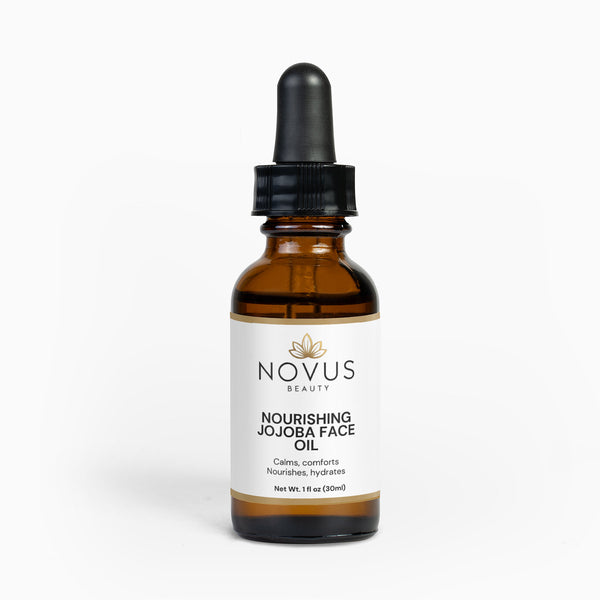
Nourishing Jojoba Face Oil
Jojoba oil is technically a liquid wax ester that's remarkably similar to our skin's natural sebum. This makes it incredibly well-tolerated, even by oily skin types. It's lightweight, non-comedogenic (meaning it won't clog pores), and can actually help balance your skin's oil production. Many people find their skin produces less oil overall when they consistently use jojoba oil.
For Dry, Mature, or Dehydrated Skin:
If your skin feels tight, looks dull, or shows fine lines, you need richer oils packed with nutrients and fatty acids.

Gua Sha Face Oil
This luxurious blend is specifically crafted to provide deep nourishment while being the perfect slip for gua sha tools. The combination of nutrient-dense oils helps replenish your skin's lipid barrier, providing lasting hydration and helping to smooth the appearance of fine lines. It's like a warm, nourishing hug for parched skin.
For Sensitive or Reactive Skin:
When your skin tends to flare up at the slightest provocation, you need the gentlest, most calming oils available.

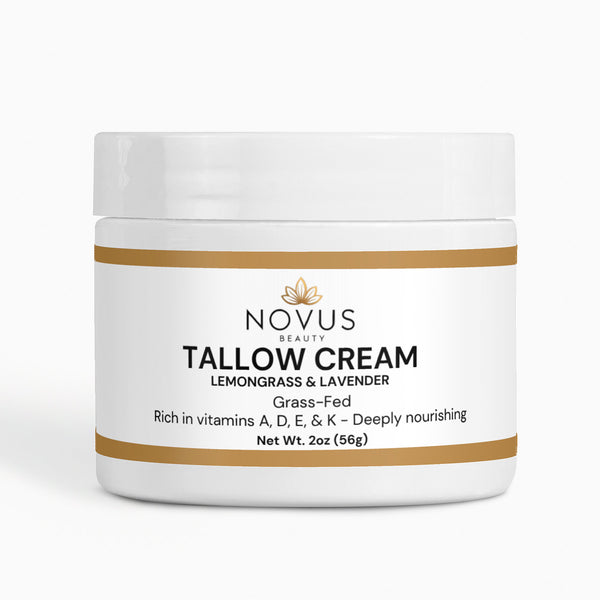
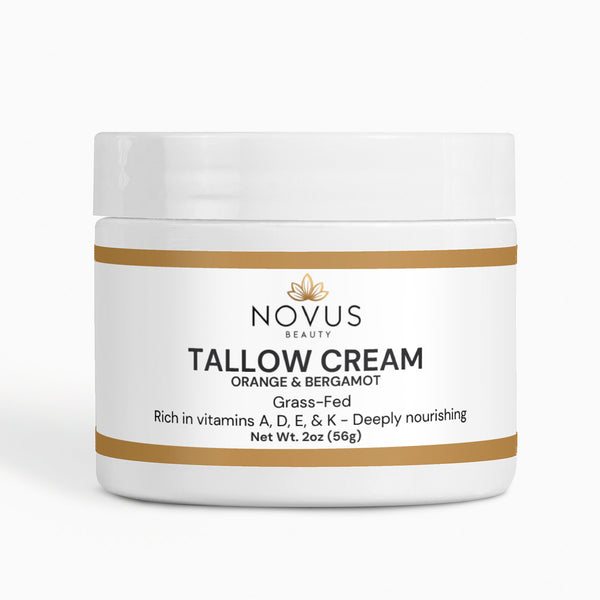
Tallow Cream Orange & Bergamot
While technically a cream, this rich balm features tallow as its star ingredient. Why tallow? It's incredibly similar to the oils our skin naturally produces and is packed with fat-soluble vitamins and fatty acids that are easily recognized and utilized by our skin. The result is profound nourishment that's remarkably gentle and non-irritating, making it ideal for even the most sensitive complexions.
How to Incorporate Face Oils Into Your Routine
Many people use face oils incorrectly and then wonder why they don't see the promised results. Here's how to make them work for you:
The Application Method That Changes Everything
-
Start with damp skin: After cleansing and toning, apply your serums while your skin is still slightly damp
-
Warm the oil: Place 2-4 drops of oil in your palms and rub them together to warm it up
-
Press, don't rub: Gently press the oil into your skin, starting from your cheeks and moving outward
-
Follow with moisturizer (if needed): For very dry skin, you can layer a moisturizer over the oil to seal it in
When to Use Your Face Oil
Morning: Use a lighter oil like jojoba before your sunscreen for a healthy glow
Evening: Use richer oils as the final step in your routine to support overnight repair
Weekly treatment: Use a generous amount for facial massage or gua sha practice
Common Face Oil Mistakes to Avoid
Using too much: Start with 2-3 drops—you can always add more if needed
Applying to dry skin: Damp skin helps the oil absorb better
Mixing with water-based serums: Layer oils after water-based products
Giving up too soon: It can take 2-4 weeks for your skin to balance and show results
Your Simple Face Oil Integration Plan
Week 1: Use your chosen oil 2-3 times per week in the evening
Week 2: Use it every evening if your skin is responding well
Week 3: Begin incorporating it into your morning routine if desired
Week 4: Adjust usage based on how your skin looks and feels
Beyond the Bottle: Maximizing Your Oil Benefits
To get the most from your face oil:
-
Pair with gua sha: Use the Gua Sha Face Oil with a gua sha tool to reduce puffiness and improve circulation
-
Mix with foundation: Add one drop to your foundation for a dewy, natural finish
-
Spot treat: Use a tiny amount on dry patches or areas of irritation
-
Don't forget your neck: Extend your oil application to your neck and décolletage
Your Journey to Oil Confidence Starts Now
Remember that incorporating face oils into your routine is a journey of discovery. What works for your best friend might not work for you, and that's perfectly normal. The key is to start slowly, listen to your skin, and be patient as it adjusts to this new form of nourishment.
The right face oil shouldn't make you feel greasy or break you out. It should make your skin feel comfortable, balanced, and nourished. When you find that perfect match, you'll understand why so many people consider face oils their skincare secret weapon.