




There's nothing quite like wrapping yourself in a soft, warm scarf on a chilly day—until you notice those familiar, unwelcome bumps along your jawline and chin. Just when you thought you'd said goodbye to maskne, along comes its winter cousin: scarfne. The combination of friction, trapped heat, and moisture creates the perfect breeding ground for bacteria, leading to breakouts exactly where your scarf rests most snugly.
If you've found yourself dealing with irritated skin and surprise pimples in the very places you're trying to keep warm, you're not alone. The good news is that with a few adjustments to your skincare and habits, you can enjoy the cozy comfort of your favorite winter accessories without the subsequent skin drama. Let's explore how to break the cycle and keep your complexion clear all season long.
Why Your Scarf is Causing Breakouts
Understanding the "why" makes the "how to fix it" much clearer. There are three main culprits at play:
-
Friction: The constant rubbing of fabric against your skin creates micro-tears in your skin barrier and stimulates inflammation, which can trigger breakouts.
-
Trapped Heat & Moisture: Your breath and natural oils get trapped under the scarf, creating a warm, humid environment that bacteria love.
-
Dirt & Bacteria: Scarves aren't washed as often as other clothing items. They collect makeup, skincare residue, and environmental pollutants, which are then pressed directly against your skin.
The result? A perfect storm for clogged pores and inflammation. But don't worry—you don't have to choose between being warm and having clear skin.
Your Anti-Scarfne Skincare Strategy
Step 1: The Gentle, Purifying Cleanse
The goal here is to thoroughly clean without stripping. After a day spent bundled up, your skin needs to be freed from the buildup of oil, sweat, and bacteria without having its protective barrier compromised.

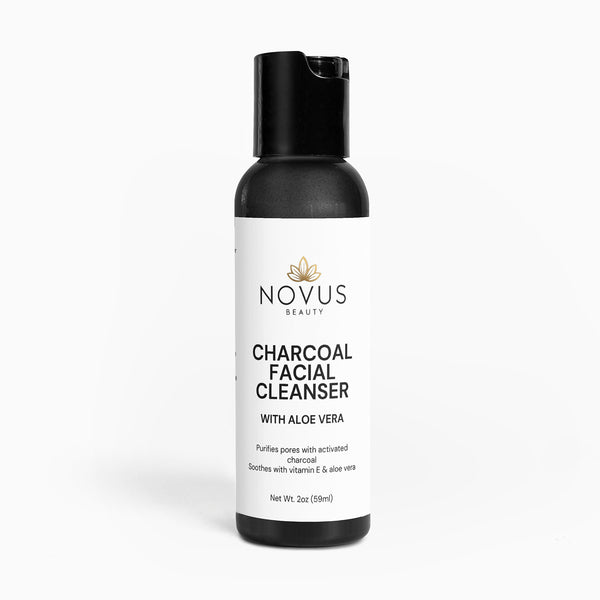
Your Cleansing Hero: Charcoal Facial Cleanser
This is your first line of defense. Activated charcoal acts like a magnet, drawing out impurities, excess oil, and toxins from congested pores. It provides a deep cleanse that's essential for scarfne-prone areas, but it does so without the harshness that can worsen irritation. Use it both morning and night to keep pores clear.
Step 2: The Balancing & Soothing Treatment
After cleansing, it's crucial to balance your skin's oil production and calm any existing inflammation. This is where a targeted treatment can make all the difference.

Your Balancing Hero: Aloe & Tea Tree Radiance Gel
This gel is a powerhouse for this specific concern. The tea tree oil offers natural, gentle antibacterial properties to help fight breakout-causing bacteria, while the aloe vera provides an immediate cooling and soothing effect to calm the redness and irritation caused by friction. Apply it as a light layer all over your face, paying extra attention to the scarf zone—your jawline, chin, and around your mouth.
Step 3: The Lightweight, Barrier-Supporting Moisturizer
A compromised barrier is more vulnerable to breakouts. When your skin is dry (a common issue in winter), it can overcompensate by producing more oil, further clogging pores. You need hydration that protects without adding heaviness.

Your Moisturizing Hero: Hydro Balancing Gel-Cream
This is the ideal moisturizer for the job. Its lightweight, gel-cream texture provides essential hydration that strengthens your skin's barrier without feeling heavy or occlusive. A strong, hydrated barrier is more resilient to the friction from your scarf and better able to fight off bacteria.
Proactive Habits to Prevent Scarfne
Skincare is only half the battle. These simple habit changes are just as important:
-
Scarf Hygiene is Key: Silk or satin scarves create less friction than wool or cotton. If you can't switch materials, be diligent about washing your scarves frequently. Aim for at least once a week, or more if you wear them daily.
-
Avoid Heavy Makeup on the Lower Face: If you're wearing a scarf all day, skip the foundation and concealer on your chin and jawline. This reduces the amount of product that can be trapped and clog pores.
-
Let Your Skin Breathe: Whenever you're indoors, gently loosen or remove your scarf to give your skin a break from the friction and trapped environment.
-
Don't Touch: Resist the urge to touch or rub the areas under your scarf throughout the day. Your hands transfer additional bacteria and oil.
Your Simple Daily Routine to Combat Scarfne
Morning:
-
Cleanse with Charcoal Facial Cleanser.
-
Apply a thin layer of Aloe & Tea Tree Radiance Gel to the scarf zone.
-
Moisturize with Hydro Balancing Gel-Cream.
-
Apply sunscreen as the final step.
Evening (The Most Important Reset):
-
Double cleanse to ensure all the day's grime is removed, starting with Charcoal Facial Cleanser.
-
Treat the area with Aloe & Tea Tree Radiance Gel.
-
Lock in moisture and support overnight repair with Hydro Balancing Gel-Cream.
When Breakouts Happen Anyway...
Sometimes, despite your best efforts, a breakout appears. The most important rule is don't pick! Picking at a pimple caused by friction dramatically increases inflammation and the risk of scarring.
Instead, continue with your gentle routine and be patient. The combination of keeping the area clean, balanced, and soothed will help it heal much faster on its own.
Your Skin Can Be Cozy and Clear
Dealing with scarfne is all about being proactive rather than reactive. By adopting this gentle, consistent skincare routine and making a few small changes to your winter habits, you can protect your skin from the irritating effects of your favorite cozy accessories.
Remember, your skin is resilient. With a little extra care and the right gentle products, you can confidently face the cold weather, knowing your complexion is protected from the inside out.
Have you been struggling with scarfne this season?
What tips have worked for you?
Share your experiences in the comments below—let's help each other keep our skin clear all winter long!