

Menopause doesn’t just affect energy levels or sleep patterns. It significantly changes the way skin behaves. Many women notice that texture feels rougher, tone looks more uneven, and dryness becomes persistent all at once. These shifts can feel sudden, even if they’ve been building gradually over time.
Post-menopause skin isn’t failing. It’s adapting to lower estrogen levels, slower regeneration, and changes in how the skin barrier functions. When you understand why these changes occur together, it becomes much easier to support your skin in a way that feels effective rather than frustrating.
Why Texture Changes After Menopause

Estrogen plays a major role in maintaining collagen production and skin thickness. As estrogen levels decline, collagen synthesis slows, leading to thinner skin and a change in surface texture. Skin may feel less smooth, more delicate, and slower to bounce back.
Cell turnover also decreases. Dead skin cells remain on the surface longer, contributing to roughness and dullness. Because regeneration slows, texture changes tend to feel more noticeable than they did before.
Gentle renewal is key at this stage. Over-exfoliating can worsen dryness and irritation. Instead, supporting gradual resurfacing while protecting the barrier produces more stable results.
Why Dryness Becomes Persistent
One of the most common menopause skin changes is dryness that doesn’t respond to heavier creams alone. This happens because estrogen influences natural oil production and the skin’s ability to retain water.
When the barrier weakens, moisture escapes more easily. Even if you apply rich moisturizers, hydration may not last throughout the day unless the underlying water content is restored.
Layered hydration works better than relying on thickness alone.

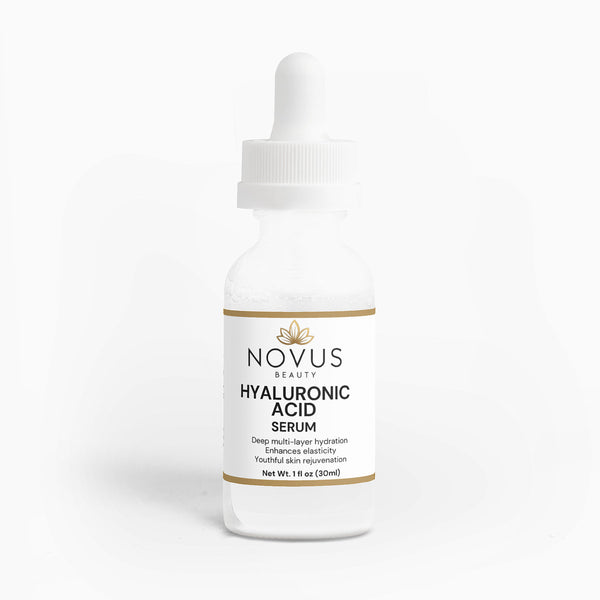
Hyaluronic Acid Serum helps draw water into the skin, improving elasticity and comfort. By replenishing hydration at a deeper level, it allows moisturizers to perform more effectively.
To seal in moisture without overwhelming the skin, Skin Hydration Cream provides balanced emollients that soften the skin while maintaining breathability. This helps reduce tightness without contributing to congestion.
Why Tone Becomes More Uneven
Pigment regulation changes with hormonal shifts. After menopause, melanocytes can become more reactive to sun exposure and inflammation. Dark spots may appear more pronounced, and existing discoloration may take longer to fade.
Because skin heals more slowly, even minor irritation can leave behind marks. This makes gentle pigment regulation especially important.

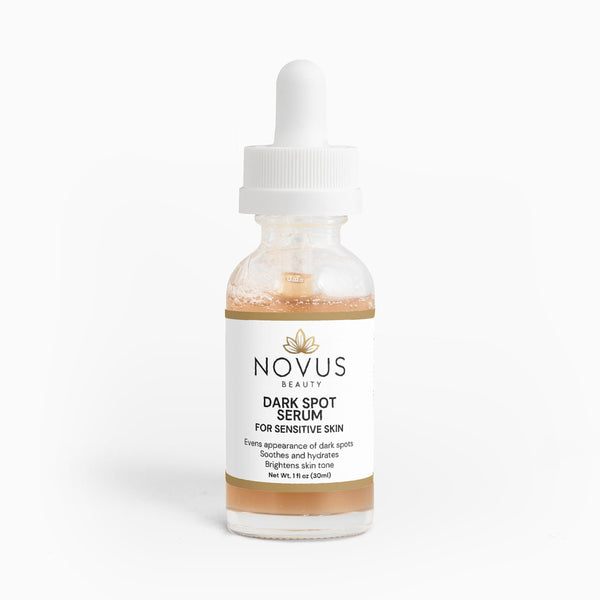
Dark Spot Correcting Serum for Sensitive Skin supports gradual brightening using calming botanicals and adaptogenic mushroom extracts that help regulate pigment while reducing inflammation. This approach is better suited to hormonally reactive skin than aggressive brightening treatments.
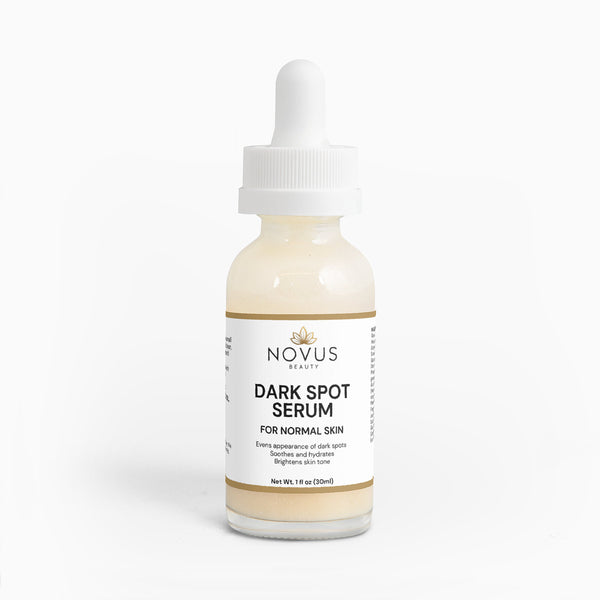
For skin that tolerates more active correction, Dark Spot Correcting Serum for Normal Skin uses hexylresorcinol to help regulate melanin production and niacinamide to strengthen the barrier, addressing uneven tone without stripping.
Supporting Texture Without Compromising the Barrier
Improving texture in post-menopause skin requires patience. Instead of strong acids, focus on calming renewal and hydration.

Gentle Balancing Toner contains gluconolactone, a polyhydroxy acid that gently supports surface renewal while attracting moisture. Unlike harsher exfoliants, it works gradually and is less likely to compromise barrier strength. Green tea and chamomile further soothe reactive skin.
Why Night Care Is Essential After Menopause
Because regeneration slows, nighttime care becomes increasingly important. During sleep, skin focuses on repair, but it needs adequate support to do so effectively.

Hydrating Collagen Night Cream for Revitalized Skin provides deep hydration and collagen-supportive ingredients that help improve the appearance of firmness and smoothness over time. Nourishing emollients reduce overnight moisture loss, helping skin feel more comfortable by morning.
For additional barrier reinforcement, Recovery Cream helps calm sensitivity and strengthen resilience, reducing redness and improving overall skin stability.
Why Texture, Tone, and Dryness Must Be Treated Together
Post-menopause skin changes are interconnected. Dryness worsens texture. Inflammation deepens pigmentation. Barrier weakness amplifies sensitivity. Treating only one concern rarely produces lasting improvement.
A routine that supports hydration, calms inflammation, and regulates pigment simultaneously creates more balanced results. When skin feels comfortable and stable, improvements in tone and texture follow naturally.
A Calmer, Smarter Approach to Menopause Skin
Menopause skin requires evolution, not aggression. By focusing on hydration, barrier strength, and gentle correction, you can improve texture and tone without overwhelming delicate skin.

Progress may be gradual, but it is steady and sustainable.
Ready to Support Your Skin Through Post-Menopause Changes with products designed for comfort and resilience?
Explore the full Novus Beauty collection and build a routine tailored to evolving skin.
Shop all products