

Skin cycling became one of the most talked-about skincare trends over the past few years. The idea is simple: rotate active ingredients across a four-night cycle to prevent irritation while maximizing results. But what works for younger, resilient skin doesn’t always translate well to mature or hormonally shifting skin.
After 40, the skin barrier behaves differently. Healing slows, hydration decreases, and inflammation becomes more likely to trigger pigmentation or sensitivity. So the real question is not whether skin cycling works in theory, but whether it supports or stresses mature skin in practice.
What Skin Cycling Actually Does

Traditional skin cycling typically looks like this: one night of exfoliation, one night of retinol, followed by two nights of recovery. The goal is to give the skin time to rest between active ingredients.
For younger skin with strong barrier function, this approach can help prevent overuse of harsh products. But mature skin often reacts differently. Because cell turnover slows and collagen production decreases, recovery may require more than two nights. Aggressive exfoliation and frequent retinol use can easily tip the skin into dryness and inflammation.
Why Mature Skin Needs a Modified Approach

After 40, skin becomes thinner and less oil-rich. The natural protective barrier weakens, making moisture loss more pronounced. This means that even mild exfoliation can feel stronger than it once did.
Inflammation also carries higher stakes. In hormonally reactive skin, irritation can lead to lingering dark spots or uneven tone. For this reason, any cycling approach must prioritize barrier strength over intensity.
The focus should shift from “maximum actives” to “maximum stability.”
When Skin Cycling Can Help
If your current routine feels overwhelming or you suspect you’re overusing actives, a simplified cycle can restore balance. The key is adjusting the strength and frequency of treatments to match mature skin.
Instead of strong acids, choose gentle renewal. Instead of nightly retinol, reduce frequency and increase recovery support.
Gentle Renewal Without Barrier Damage
Exfoliation for mature skin should encourage surface renewal without stripping hydration.

Gentle Balancing Toner contains gluconolactone, a polyhydroxy acid that gently resurfaces while attracting moisture. Unlike harsher exfoliants, gluconolactone supports mild renewal and hydration simultaneously. Green tea and chamomile further calm the skin, reducing the risk of inflammation-triggered pigmentation.
Using this type of exfoliation once or twice weekly is often sufficient for mature skin.
Rethinking Retinol in a Cycling Routine
Retinol remains effective for improving texture and supporting collagen, but mature skin often benefits from combination formulas rather than standalone high-strength retinoids.

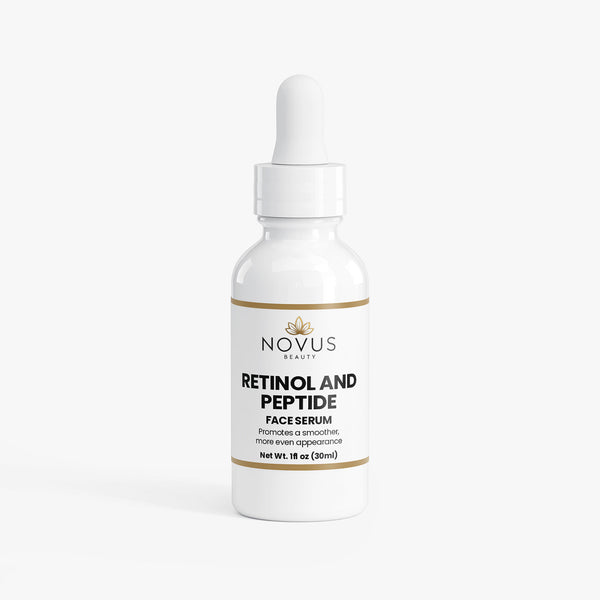
Retinol and Peptide Face Serum pairs retinol with peptides to support firmness while minimizing irritation. Peptides help reinforce the skin structure, balancing retinol’s resurfacing effect with supportive repair. This makes it more suitable for skin that needs renewal without excessive dryness.
Using retinol two to three times per week rather than nightly often provides visible improvement without compromising comfort.
Recovery Nights Matter More After 40
The most overlooked part of skin cycling is recovery. For mature skin, recovery is not optional—it is foundational.

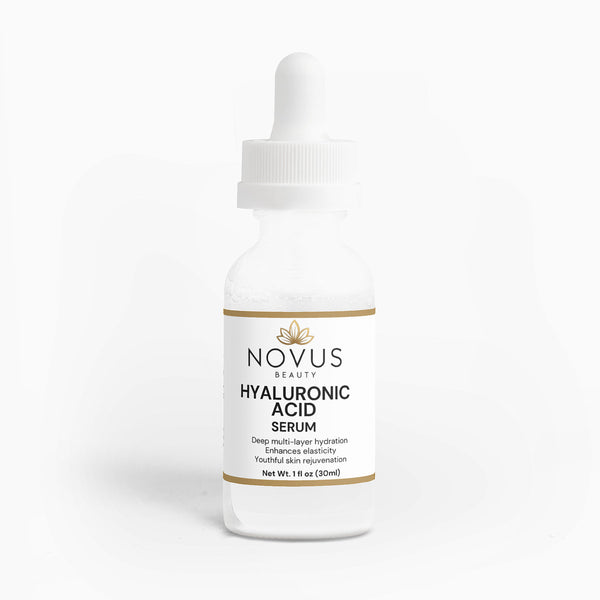
Hyaluronic Acid Serum helps replenish hydration by drawing water into the skin, improving elasticity and resilience. Well-hydrated skin tolerates active ingredients more comfortably.
To seal hydration and reinforce the barrier, Recovery Cream helps calm irritation and strengthen the protective layer of the skin. Barrier repair reduces sensitivity and minimizes the risk of rebound pigmentation.
For added overnight nourishment, Hydrating Collagen Night Cream for Revitalized Skin supports firmness and moisture retention while skin repairs itself during sleep.
A Smarter Version of Skin Cycling for Mature Skin
A mature-skin-friendly cycle might look like this:
Night 1: Gentle exfoliation using a barrier-safe formula.
Night 2: Retinol and peptide support.
Nights 3 and 4: Hydration and barrier repair only.
If dryness or sensitivity appears, extend recovery nights. The goal is flexibility, not rigid scheduling.
When Skin Cycling Might Hurt
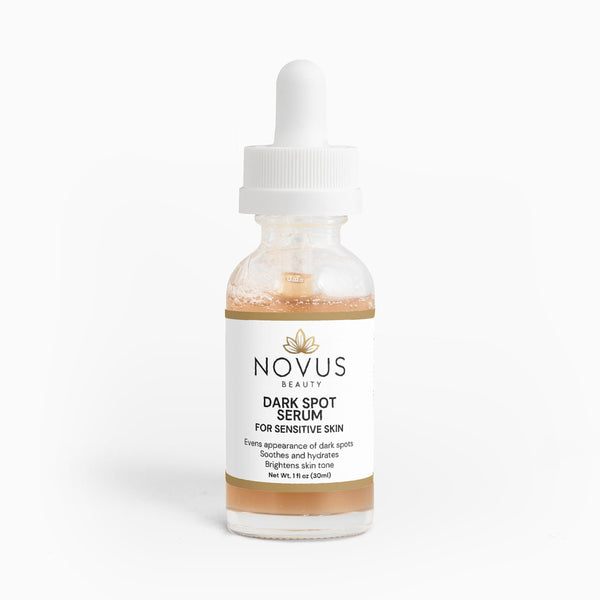
If your skin already feels dry, reactive, or prone to pigmentation, even a structured cycling routine may feel too intense. In these cases, simplifying further—focusing primarily on hydration, pigment regulation, and occasional renewal—often produces better long-term results.
Trends can be helpful, but only when adapted to your skin’s biology.
Mature Skin Thrives on Stability
After 40, the most effective routines are consistent and supportive. Barrier health determines how well your skin responds to any active ingredient. When hydration and calm come first, renewal becomes more effective and less risky.
Skin cycling is not inherently good or bad. It simply needs to evolve as your skin evolves.
Ready to build a routine that supports renewal without sacrificing comfort?
Explore the full Novus Beauty collection and create a skincare system designed for mature, resilient skin.
Shop all products