

Dark spots can feel stubborn enough to make laser treatments tempting. Promises of fast results and dramatic before-and-afters are everywhere, especially if you’ve been dealing with hyperpigmentation for years. But what’s often missing from the conversation is how laser and skincare actually work, who each option is best suited for, and why laser isn’t always the most sustainable solution.
Understanding the difference helps you make a choice that protects your skin long term, not just temporarily.
How Laser Treatments Work on Pigmentation

Laser treatments target pigment by delivering concentrated energy into the skin. This energy breaks up melanin so the body can gradually clear it away. In certain cases, especially isolated sun spots on resilient skin, laser can produce visible results quickly.
However, laser doesn’t address why pigment formed in the first place. It treats the symptom, not the underlying trigger. For skin that’s hormonally reactive, sensitive, or prone to melasma, this can be a problem. The heat and inflammation from laser can stimulate more pigment production, sometimes causing dark spots to return or even worsen.
Why Laser Isn’t Always the Best First Step
Laser treatments introduce controlled trauma to the skin. While the goal is correction, inflammation is still part of the process. For skin that already struggles with barrier weakness, hormonal fluctuations, or sensitivity, this inflammation can backfire.
People with melasma, post-inflammatory hyperpigmentation, or darker skin tones are especially vulnerable to rebound pigmentation. Without ongoing pigment regulation and barrier support, results can be temporary.
Laser can also be costly, require downtime, and often needs multiple sessions. For many, the question becomes not whether laser works, but whether it’s worth the long-term risk and maintenance.
How Skincare Treats Dark Spots Differently

Laser treatments physically break apart pigment using heat or light energy. Skincare takes a biological approach instead. Rather than shattering pigment that already exists, well-formulated skincare works upstream in the pigment pathway.
When skin experiences inflammation, whether from sun exposure, acne, hormonal fluctuation, or irritation, specialized cells called melanocytes produce melanin as a protective response. In hormonally reactive or sensitive skin, this response becomes exaggerated. Even minor irritation can signal melanocytes to produce more pigment than necessary.
Skincare targets this cycle at multiple points. Pigment-regulating ingredients help slow down excess melanin production before it accumulates visibly in the skin. Anti-inflammatory ingredients calm the signals that trigger melanocytes in the first place. Barrier-supporting ingredients strengthen the outer layer of the skin so it becomes less reactive to daily stressors.
Over time, this approach reduces the formation of new discoloration while allowing existing pigment to fade naturally as skin renews itself. The process is gradual because it works with the skin’s renewal cycle rather than forcing rapid trauma-based change.
This is especially important for hormonally driven pigmentation, melasma-prone skin, and darker skin tones, where inflammation can quickly lead to rebound hyperpigmentation.
Why Skincare Is Often the Smarter First Choice

Skincare becomes the safer and more strategic option when dark spots are linked to inflammation rather than isolated sun damage.
If your pigmentation:
-
Appears after breakouts
-
Deepens after irritation or over-exfoliation
-
Worsens during hormonal shifts
-
Returns quickly after previous treatments
then inflammation is likely part of the root cause.
Procedures that introduce additional inflammation may temporarily lighten spots but risk re-triggering pigment production. In contrast, a consistent skincare routine reduces inflammatory signals over time. By calming the skin daily, strengthening the barrier, and regulating melanin production, skincare reduces both existing discoloration and the likelihood of new spots forming.
Skincare also allows for controlled, daily correction. You can adjust frequency, layering, and intensity based on how your skin responds. There is no downtime, no healing phase, and no sudden disruption to the barrier.
Why Slower Is Often More Sustainable
Pigmentation that fades slowly through barrier-supported correction is less likely to rebound. When the skin remains calm and resilient, melanocytes become less reactive overall.
Consistency becomes more important than intensity. Applying pigment-regulating ingredients daily, protecting hydration, and avoiding unnecessary irritation builds cumulative improvement. Over weeks and months, this steady approach often leads to clearer, more stable results than short bursts of aggressive treatment.
The goal isn’t speed. The goal is stability.
When skin feels calm, supported, and less inflamed, discoloration fades more predictably, and new pigmentation becomes less likely to form in the first place.
A Smarter Skincare Approach to Dark Spots
Treating pigmentation effectively starts with calm, non-stripping cleansing.

Gentle Cleansing Gel uses watermelon, apple, and lentil fruit extracts to cleanse while helping the skin retain moisture. Licorice root and witch hazel help reduce irritation, creating a calmer base so pigment-regulating products can work more effectively.
Targeting pigment safely is the next step.

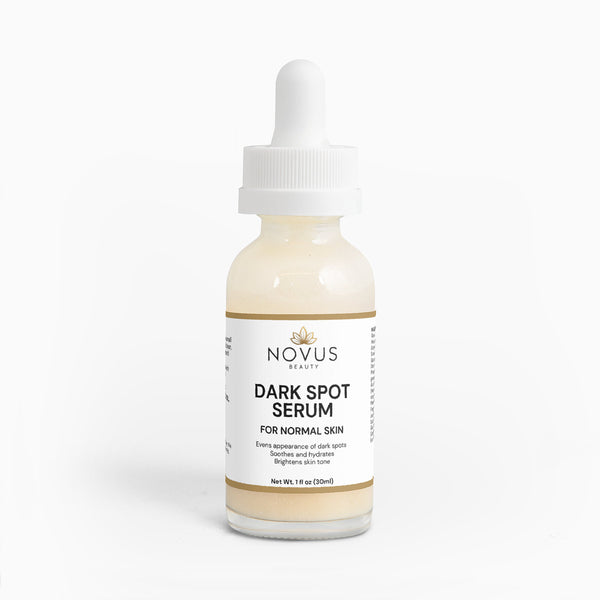
Dark Spot Correcting Serum for Normal Skin uses hexylresorcinol to help regulate melanin production at its source. Niacinamide supports barrier strength and helps reduce inflammation, while licorice root calms the skin, reducing the risk of pigment rebound.

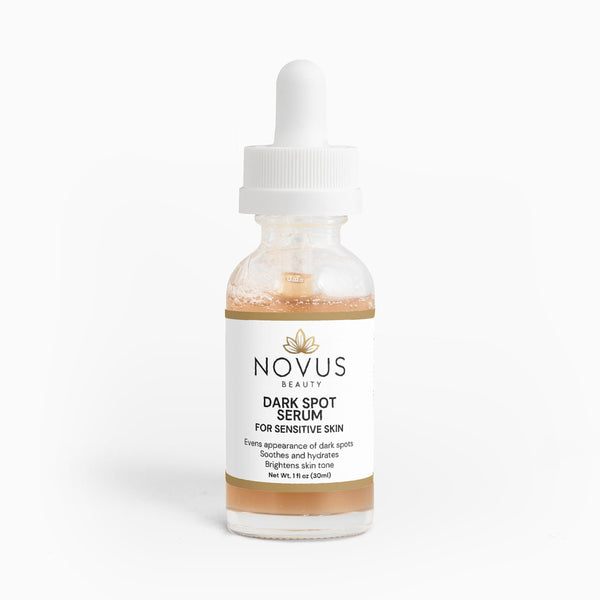
For skin that’s reactive or melasma-prone, Dark Spot Correcting Serum for Sensitive Skin relies on adaptogenic mushroom extracts and soothing botanicals. This approach focuses on gradual brightening while strengthening resilience, making it better suited for long-term use.
Why Barrier Support Matters More Than Speed
Inflammation is the biggest trigger for recurring pigmentation. Supporting the skin barrier helps reduce this risk.

Recovery Cream reinforces the barrier and helps calm stressed skin, making it an essential step for anyone treating dark spots without provoking sensitivity.
Hydration also plays a critical role. Well-hydrated skin heals more efficiently and responds better to corrective ingredients.
Watermelon Hydration Moisturizer delivers lightweight hydration using fruit extracts that attract and retain moisture, while niacinamide helps reduce moisture loss. This combination supports clearer-looking skin without heaviness.
Can Laser and Skincare Work Together?
In some cases, yes, but skincare should come first. Establishing a strong barrier and regulating pigment reduces the risk of rebound after laser treatments. Even when laser is used, ongoing skincare is essential to maintain results.
Without pigment-regulating skincare, laser results are often temporary.
The Long-Term View on Dark Spot Correction
Laser offers speed, but skincare offers stability. For most people dealing with hormonal pigmentation, post-inflammatory marks, or sensitivity, skincare provides a safer, more controllable path to clearer skin.
Progress may be slower, but it’s far more predictable and less likely to reverse.

Looking for a Long-term Solution to Dark Spots without risking irritation or rebound pigmentation?
Explore the full Novus Beauty collection and build a routine designed to correct discoloration while supporting skin health.
Shop all products