

Many people assume dehydrated skin and dry skin are the same thing. In reality, they are two different conditions that require different approaches. Understanding the difference between dehydrated skin vs dry skin is essential if you want to choose the right skincare routine and avoid products that may worsen your skin concerns.
Both conditions can make skin feel tight, dull, or uncomfortable. However, the underlying causes of dry skin and skin dehydration are very different. Once you identify which one you’re experiencing, you can begin treating it effectively.
What Is Dry Skin?

Dry skin is a skin type, meaning it is determined by genetics and how much natural oil your skin produces. People with dry skin have fewer active oil glands, which means their skin produces less sebum.
Sebum helps protect the skin barrier and prevents moisture loss. Without enough natural oil, the skin barrier becomes weaker and hydration escapes more easily.
Common signs of dry skin include:
- Persistent tightness
- Flaking or rough patches
- Increased sensitivity
- Fine lines appearing more visible
- Skin that rarely feels oily
Because dry skin lacks oil, it often benefits from richer moisturizers that reinforce the barrier.

Skin Hydration Cream helps support dry skin by replenishing lost moisture while reinforcing the skin barrier. Balanced emollients soften the skin while helping prevent further water loss throughout the day.
What Is Dehydrated Skin?
Unlike dry skin, dehydrated skin is a condition, not a permanent skin type. Dehydrated skin simply means your skin lacks water, not oil.
Even oily or combination skin can become dehydrated. Environmental stress, over-exfoliation, harsh cleansers, and insufficient hydration can all contribute to skin dehydration.
Signs of dehydrated skin include:
- Skin feels tight but still becomes oily
- Dull complexion
- Fine lines that appear suddenly
- Increased sensitivity
- Makeup appearing patchy or uneven
When the skin lacks water, it struggles to maintain elasticity and smoothness. The solution is restoring hydration rather than adding heavier oils.

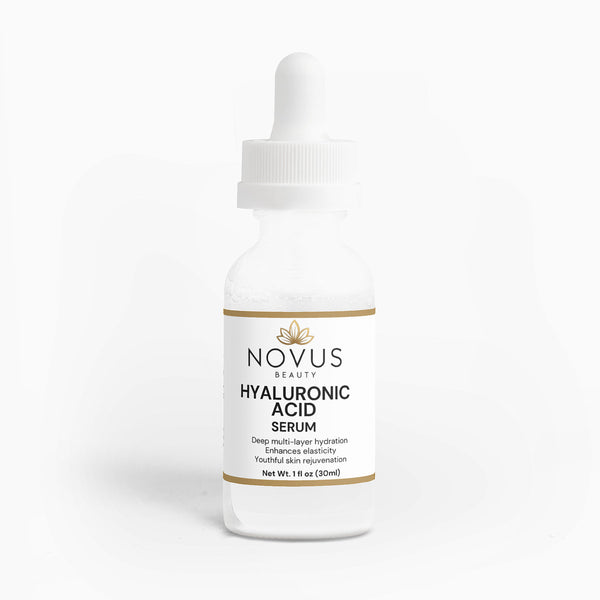
Hyaluronic Acid Serum is particularly effective for dehydrated skin. Hyaluronic acid attracts water into the skin, helping restore plumpness and elasticity while improving overall hydration levels.
Why Dehydrated Skin Is So Common
Modern skincare routines often contribute to dehydration without people realizing it.
Frequent exfoliation, strong actives, and stripping cleansers can weaken the skin barrier. When this barrier becomes compromised, water escapes from the skin more easily, leaving the skin dehydrated.
Lifestyle factors can also contribute. Air conditioning, heating, low humidity environments, and insufficient water intake all influence hydration levels.
Supporting the skin barrier helps prevent ongoing dehydration.

Recovery Cream strengthens the skin barrier and helps calm irritation. A stronger barrier retains hydration more effectively and reduces the risk of ongoing dehydration.
Can You Have Both Dry and Dehydrated Skin?
Yes, and this is very common.
Dry skin naturally lacks oil, which makes it easier for moisture to escape. If dry skin also becomes dehydrated, the symptoms may feel more intense. Skin may appear dull, tight, flaky, and irritated all at once.
Treating both oil deficiency and water loss requires a layered hydration approach.
First restore water levels with hydrating ingredients. Then seal that hydration in with barrier-supportive moisturizers.
How to Fix Dehydrated Skin
The best dehydrated skin treatment focuses on replenishing water and strengthening the barrier.
Start with a gentle cleanser that doesn’t strip natural oils.

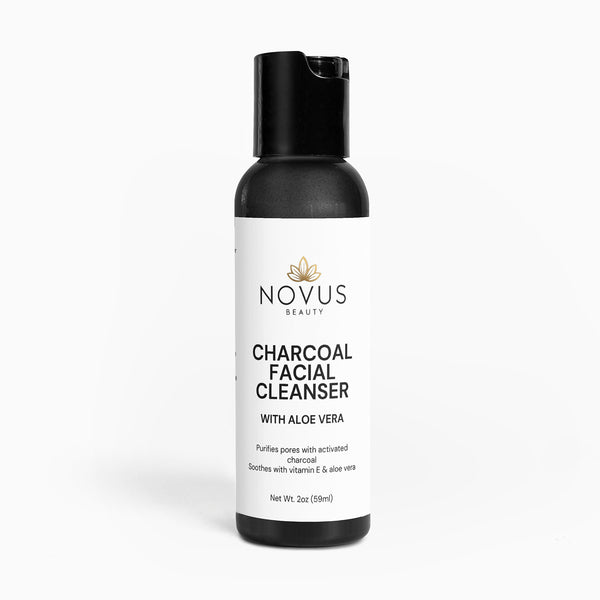
Gentle Cleansing Gel cleanses the skin while maintaining hydration. Ingredients like watermelon and apple extracts help retain moisture, while licorice root helps calm irritation.
After cleansing, apply a hydration-focused serum.
Hyaluronic Acid Serum draws moisture into the skin, helping improve elasticity and reducing the appearance of dehydration lines.
Finally, seal in hydration with a moisturizer.

Watermelon Hydration Moisturizer uses watermelon, apple, and lentil fruit extracts to help the skin retain moisture throughout the day. Niacinamide further supports the barrier, helping prevent moisture loss.
How to Treat Dry Skin
If your concern is primarily dry skin, your focus should be reinforcing the lipid barrier.
Gentle cleansing remains important to avoid removing natural oils. Hydrating serums help support elasticity, while moisturizers restore the protective barrier that prevents moisture loss.
Dry skin responds best to consistent hydration combined with barrier-repair ingredients.
Why Hydration Is Essential for Healthy Skin
Regardless of your skin type, hydration is essential for maintaining healthy skin.
Hydrated skin appears smoother, brighter, and more resilient. It heals more effectively, tolerates active ingredients better, and maintains a stronger barrier against environmental stress.
When hydration improves, many common concerns—including dullness, sensitivity, and uneven tone—often improve as well.
Understanding Your Skin Is the First Step to Fixing It
Knowing whether you’re dealing with dehydrated skin vs dry skin helps you choose products that truly support your skin’s needs.
Dry skin requires nourishment and barrier support. Dehydrated skin requires water-binding ingredients and hydration layers. When the right products are used consistently, the skin can restore its natural balance.
Build a Routine That Restores Healthy Hydration
Explore the full Novus Beauty collection and create a routine designed to restore hydration, strengthen the skin barrier, and support long-term skin health.
Shop all products HERE