

Over-exfoliation has become one of the most common skincare mistakes in recent years. With so many exfoliating acids, retinoids, and resurfacing treatments available, it is easy to push the skin beyond what it can comfortably tolerate. When this happens, the skin barrier becomes compromised and symptoms of irritation begin to appear.
Learning how to repair the skin barrier after over-exfoliation is essential for restoring healthy skin. Once the barrier is strengthened, redness decreases, hydration improves, and the skin becomes more resilient to future irritation.
What Is the Skin Barrier?
The skin barrier is the outermost layer of the skin that protects against environmental stress, bacteria, and moisture loss. It is often compared to a brick wall where skin cells act as bricks and lipids act as the mortar holding everything together.
When the barrier is healthy, it keeps hydration inside the skin while blocking harmful irritants. When the barrier becomes damaged, water escapes easily and the skin becomes vulnerable to inflammation.
Barrier damage is often responsible for symptoms like redness, dryness, sensitivity, and sudden breakouts.
Signs of an Over-Exfoliated Skin Barrier
Recognizing the symptoms of over-exfoliated skin early helps prevent more severe irritation.
Common signs include:
- Persistent redness or irritation
- Stinging when applying skincare products
- Tight, dry, or flaky skin
- Increased sensitivity to products that previously felt comfortable
- Breakouts appearing alongside dryness
- Skin feeling hot or inflamed
When these symptoms appear, continuing to use exfoliating products can worsen the damage. The focus should shift immediately to barrier repair skincare.
Why Over-Exfoliation Damages the Skin
Exfoliation removes dead skin cells to reveal smoother skin underneath. However, when exfoliation is too frequent or too strong, it removes more than just dead cells.
The protective lipid layer that supports the skin barrier can also be stripped away. Without this protection, the skin loses moisture rapidly and becomes inflamed.
Inflammation triggers a cascade of reactions in the skin. Pigment cells may become more active, leading to uneven tone or dark spots. Breakouts may also occur because the skin barrier is no longer regulating bacteria effectively.
This is why repairing the barrier should always come before restarting exfoliation.
Step One: Stop All Exfoliating Products
The first step in any damaged skin barrier routine is removing the source of irritation.
This means temporarily stopping:
- Chemical exfoliants such as AHAs or BHAs
- Physical scrubs
- Retinoids
- Strong active ingredients
Allowing the skin time to calm down is essential. During this phase, your routine should focus entirely on gentle cleansing, hydration, and barrier repair.
Step Two: Use a Gentle Cleanser
Cleansing is still important, but it must be done without stripping the skin further.

Gentle Cleansing Gel helps remove impurities while maintaining hydration. Watermelon and apple extracts help support moisture balance while licorice root calms irritation. This type of gentle cleansing prevents further disruption to the skin barrier.
Step Three: Restore Hydration
Hydration is critical for repairing the skin barrier. When skin is dehydrated, it struggles to rebuild the protective lipid layer.

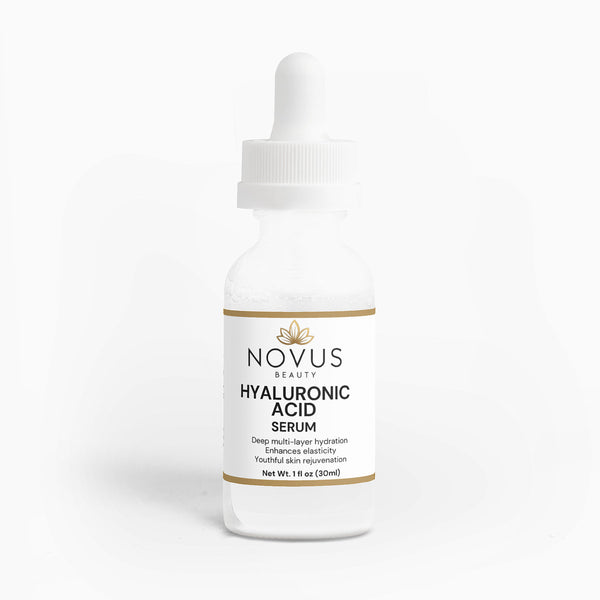
Hyaluronic Acid Serum attracts water into the skin and improves elasticity. By increasing hydration levels, it helps the skin recover more efficiently and reduces tightness caused by barrier damage.
Hydrated skin is also better able to tolerate future treatments once the barrier is repaired.
Step Four: Strengthen the Skin Barrier
Once hydration is restored, the next priority is rebuilding the barrier itself.

Recovery Cream is designed specifically for barrier repair skincare. It helps calm inflammation while reinforcing the skin’s protective layer. Strengthening the barrier reduces redness and helps prevent further moisture loss.
When used consistently, barrier-repair moisturizers help the skin regain stability and resilience.
Step Five: Maintain Moisture Throughout the Day
Even after the barrier begins to recover, maintaining hydration remains essential.

Watermelon Hydration Moisturizer helps the skin retain moisture using fruit extracts that support hydration. Niacinamide further strengthens the barrier while helping calm irritation caused by inflammation.
When the skin barrier is healthy, it can retain hydration more effectively and resist environmental stress.
How Long Does Barrier Repair Take?
Repairing the skin barrier takes time because the skin must rebuild its protective structure. Mild irritation may improve within a few days, while more severe barrier damage can take several weeks to fully recover.
Consistency during this period is essential. Avoid introducing strong active ingredients until redness and sensitivity have fully resolved.
Once the barrier feels stable again, exfoliating products can be reintroduced gradually.
Preventing Future Barrier Damage
The best way to prevent over-exfoliation is moderation. Exfoliation can be beneficial when used carefully, but the skin needs time to recover between treatments.
Signs that your routine is balanced include:
- Skin feels comfortable and hydrated
- No stinging or burning sensations
- Even skin tone without redness
- Products absorb easily without irritation
Listening to your skin’s signals helps prevent long-term damage.
Healthy Skin Starts With a Strong Barrier
The skin barrier plays a central role in overall skin health. When the barrier is strong, the skin remains hydrated, calm, and resilient. When it is damaged, multiple skin concerns can appear at once.
Learning how to repair the skin barrier after over-exfoliation helps restore balance and ensures future skincare products perform effectively.
Restore Your Skin’s Natural Balance
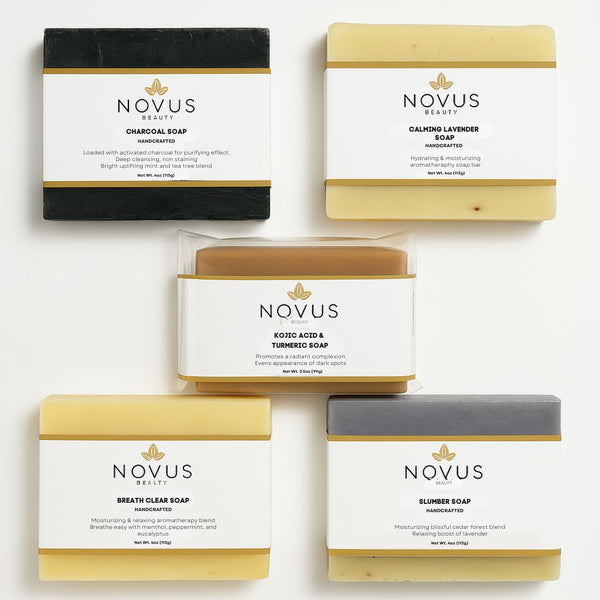
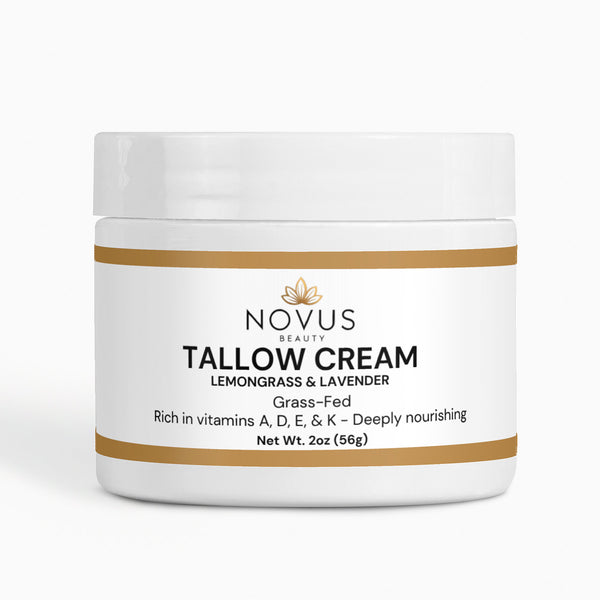
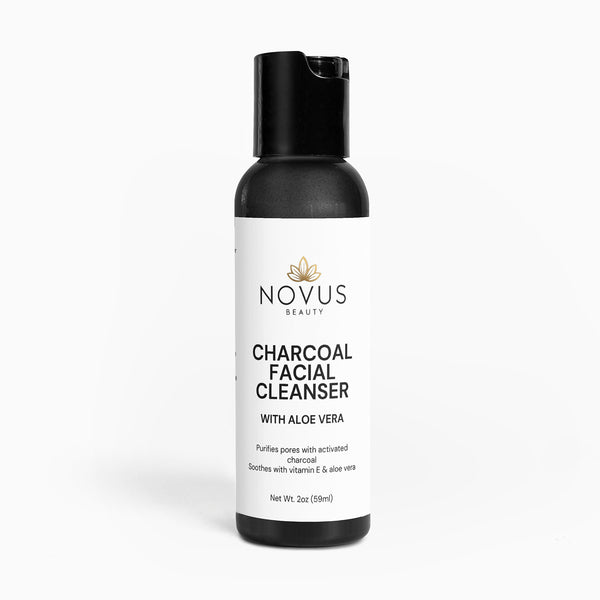
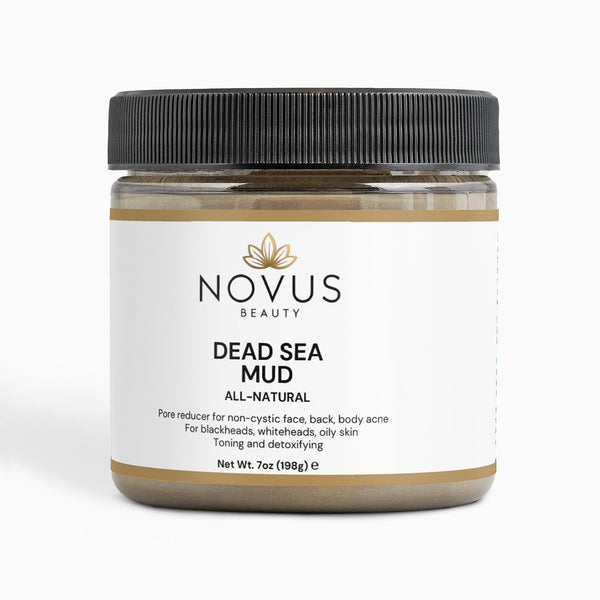
Explore the full Novus Beauty collection to build a routine focused on hydration, barrier repair, and long-term skin health.
Shop all products HERE