

Hyperpigmentation is one of the most common skincare concerns worldwide. Many people notice dark spots, patches, or uneven skin tone appearing over time and wonder what causes hyperpigmentation in the first place. While it can feel like these marks appear suddenly, hyperpigmentation is usually the result of specific triggers that stimulate excess pigment production in the skin.
Understanding what causes hyperpigmentation is the first step toward treating it effectively. Once you identify the triggers behind uneven skin tone, you can choose the right routine to prevent future discoloration while helping existing spots fade gradually.
How Hyperpigmentation Forms in the Skin

To understand what causes hyperpigmentation, it helps to understand how skin pigment works.
Skin contains specialized cells called melanocytes that produce melanin, the pigment responsible for skin color. Melanin protects the skin from damage, particularly from ultraviolet radiation. When the skin experiences stress or injury, melanocytes can produce extra melanin as a defense mechanism.
This excess melanin collects in certain areas of the skin, creating visible dark spots or patches. These marks may appear brown, tan, gray, or sometimes slightly reddish depending on skin tone and the underlying cause.
Hyperpigmentation can affect anyone, but it tends to be more noticeable when the skin barrier becomes inflamed or when the skin’s healing process slows with age.
The Most Common Causes of Hyperpigmentation
Several triggers can stimulate pigment production. Often, hyperpigmentation results from a combination of factors rather than a single cause.
Sun Exposure
Sun exposure is one of the most significant hyperpigmentation causes. Ultraviolet radiation stimulates melanin production as the skin tries to protect itself from damage.
Over time, repeated exposure can cause clusters of pigment to develop. These spots often appear on the cheeks, forehead, nose, and hands because these areas receive the most sun.
Sun-related hyperpigmentation often deepens gradually, which is why dark spots may seem to appear suddenly even though the damage accumulated over years.
Supporting the skin barrier and regulating pigment production can help reduce the appearance of these marks.

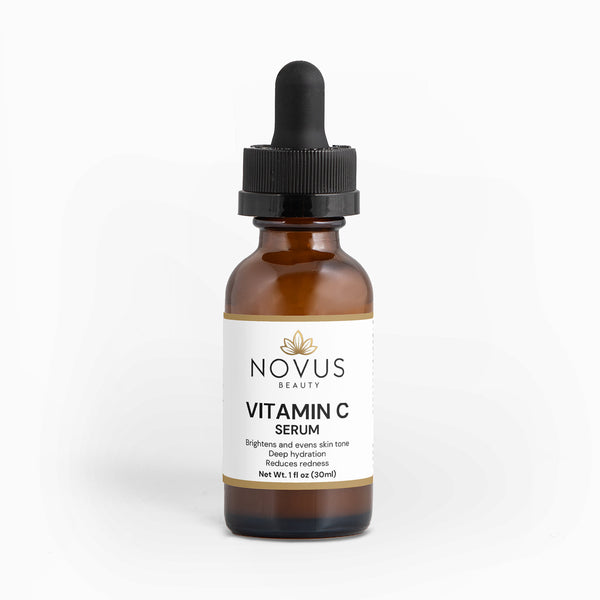
Vitamin C Serum helps protect the skin from environmental stress while brightening uneven tone. Vitamin C works as an antioxidant that neutralizes free radicals created by sun exposure, helping prevent pigment from becoming darker over time.
Post-Inflammatory Hyperpigmentation
Post-inflammatory hyperpigmentation develops after skin experiences irritation or injury. Acne breakouts, insect bites, rashes, and even aggressive skincare treatments can trigger this response.
When inflammation occurs, melanocytes become more active and produce additional pigment. After the skin heals, the pigment remains behind as a dark mark.
This type of hyperpigmentation is particularly common after acne.
Regulating pigment production while calming inflammation helps these marks fade more efficiently.

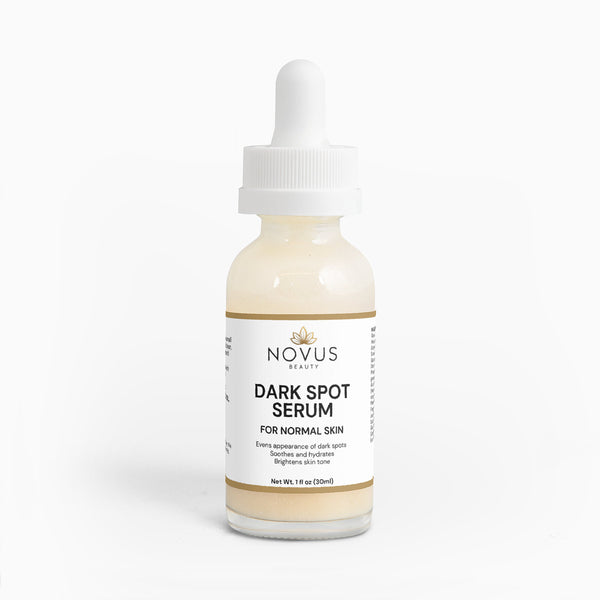
Dark Spot Correcting Serum for Normal Skin targets uneven skin tone by regulating melanin production. Ingredients like hexylresorcinol help interrupt the pigment formation pathway while niacinamide strengthens the skin barrier and reduces redness that can worsen discoloration.
Hormonal Changes
Hormones can significantly influence pigment production. During hormonal shifts, melanocytes become more sensitive to triggers like sun exposure and inflammation.
This type of pigmentation is often referred to as melasma and frequently appears during pregnancy, menopause, or other hormonal changes. It commonly shows up as symmetrical patches on the cheeks, forehead, or upper lip.
Because hormonal hyperpigmentation is particularly sensitive to irritation, gentle brightening is usually the safest approach.

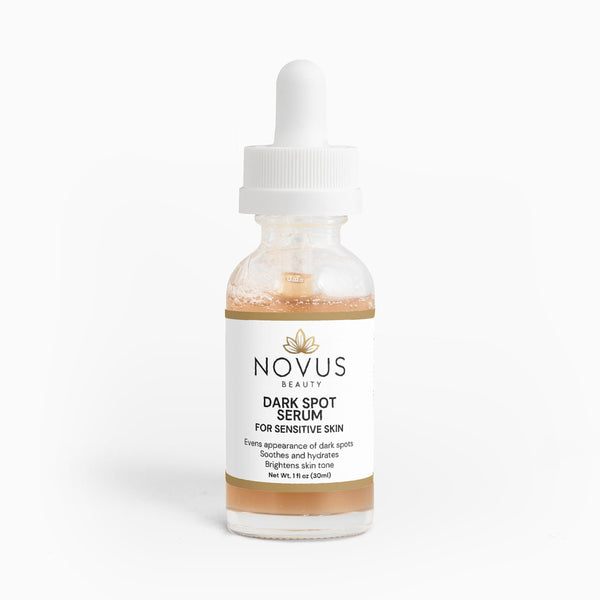
Dark Spot Correcting Serum for Sensitive Skin uses calming botanical ingredients and adaptogenic mushroom extracts to regulate pigment while supporting sensitive skin. By reducing inflammatory triggers, it helps prevent melanin from being overstimulated.
Over-Exfoliation and Skin Barrier Damage
One of the lesser-known hyperpigmentation causes is an over-damaged skin barrier. When the barrier becomes compromised through excessive exfoliation, harsh actives, or stripping cleansers, the skin becomes more reactive.
Inflammation increases, and melanocytes respond by producing more pigment.
Barrier repair becomes critical in these situations.

Recovery Cream supports the skin barrier by calming irritation and helping restore resilience. Strengthening the barrier reduces inflammation, which lowers the risk of new pigmentation forming.
Aging and Slower Skin Renewal
As skin ages, cell turnover slows. This means pigmented cells remain on the surface longer before they are naturally shed.
At the same time, the skin’s ability to heal efficiently decreases. Dark spots may appear more stubborn because the skin simply renews itself more slowly.
Supporting hydration and renewal can help improve how quickly uneven skin tone fades.

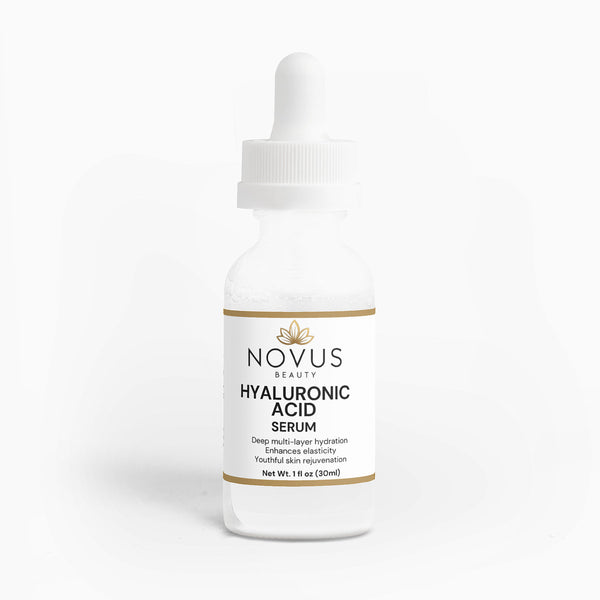
Hyaluronic Acid Serum helps maintain hydration within the skin, improving elasticity and supporting healthy skin renewal. Well-hydrated skin heals more effectively and tolerates brightening ingredients better.
Why Treating the Cause Matters
Many people attempt to treat dark spots without identifying what caused them in the first place. This can lead to frustration when pigmentation keeps returning.
For example:
- Sun-related spots require antioxidant protection.
- Acne marks require inflammation control.
- Hormonal pigmentation requires gentle pigment regulation.
- Barrier damage requires repair before brightening.
When treatment addresses the root trigger, hyperpigmentation becomes much easier to manage.
A Simple Routine to Prevent and Treat Hyperpigmentation
A balanced routine focused on calming inflammation and regulating pigment can dramatically improve uneven skin tone.

Start with gentle cleansing using Gentle Cleansing Gel. Watermelon and apple extracts help maintain hydration while licorice root calms the skin.
Follow with targeted pigment correction using either the normal or sensitive Dark Spot Correcting Serum, depending on your skin type.
Support hydration using Watermelon Hydration Moisturizer. Watermelon extract helps retain moisture while niacinamide strengthens the barrier to prevent irritation-related pigmentation.
Consistency is essential. Gentle daily care is far more effective than aggressive treatments that cause inflammation.
Understanding Hyperpigmentation Is the First Step to Clearer Skin
Hyperpigmentation may appear stubborn, but once you understand what causes hyperpigmentation, treatment becomes much more predictable.
Sun exposure, inflammation, hormonal shifts, and barrier damage all influence pigment production. Addressing these triggers allows the skin to return to balance while existing discoloration fades gradually.
Healthy skin is calm skin, and calm skin brightens more reliably.
Ready to Build a Routine That Targets Hyperpigmentation?
Explore the full Novus Beauty collection and create a routine designed to regulate pigment, support the skin barrier, and restore even tone.
Shop all products here