

You’ve tried the serums. You’ve followed routines. But your dark spots are still there.
This is where most people get frustrated—and start switching products too quickly.
The truth is, dark spots don’t just fade with random products. They require the right strategy.
If yours aren’t improving, something in your routine is working against you.
The Real Reasons Your Dark Spots Aren’t Going Away
1. You’re Not Targeting the Root Cause
Not all dark spots are the same. Some are caused by sun damage, others by acne or inflammation.
Using the wrong type of treatment slows everything down.
2. Your Skin Isn’t Renewing Properly
If your skin isn’t shedding old cells efficiently, pigment stays trapped on the surface longer.
Without proper renewal, even the best serums won’t work as expected.
3. You’re Causing More Inflammation
Over-exfoliating, layering too many actives, or using harsh products can actually worsen pigmentation.
Inflammation = more melanin production.
4. Your Skin Is Dehydrated
Dry skin holds onto pigmentation longer and heals slower.
Hydration isn’t optional—it’s essential for fading dark spots.
Step 1: Reset Your Cleanser

Start with a cleanser that supports clarity without irritating your skin.
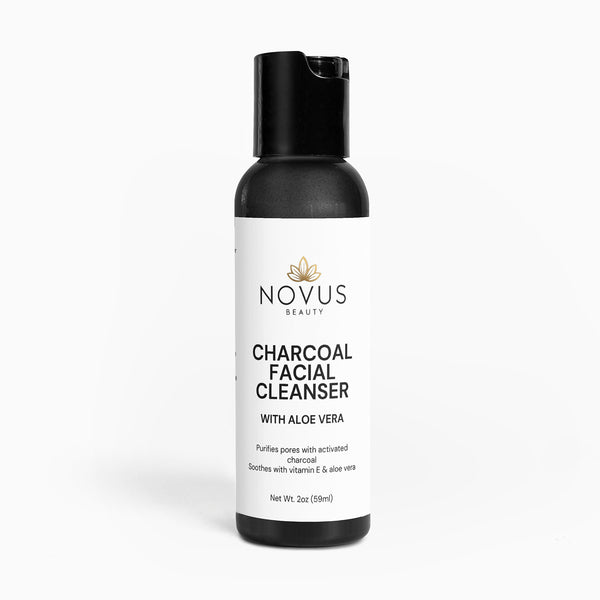
Gentle Cleansing Gel helps maintain balance while removing buildup that can dull your complexion.
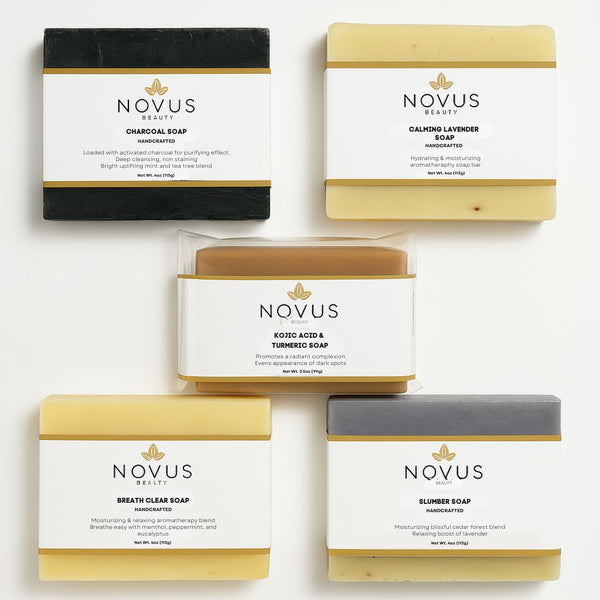
For areas prone to oil or congestion, Lemongrass & Sage Soap helps refresh the skin while keeping it clean and clear.
Step 2: Use Ingredients That Actually Target Pigment

Not all brightening products are created equal.
To fade dark spots, you need ingredients that work beneath the surface.
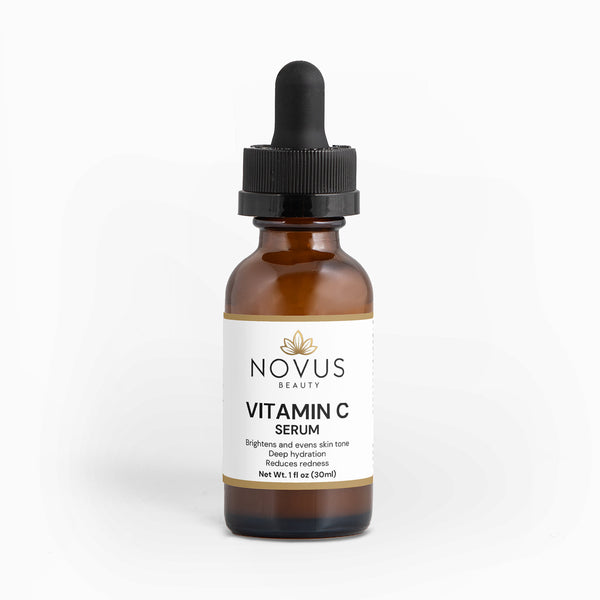
Vitamin C Serum helps brighten the skin and reduce the appearance of discoloration over time.
For deeper correction, PDRN Brightening Serum supports regeneration and helps improve overall skin clarity.
Consistency with these types of ingredients is what drives real results.
Step 3: Support Skin Renewal (Without Overdoing It)

Your skin needs to renew itself—but gently.
Aggressive exfoliation can backfire, causing more irritation and worsening pigmentation.
Instead, focus on supportive treatments like Peppermint Coffee Scrub for the body, helping improve circulation and smooth texture without damaging the skin barrier.
For the face, maintaining a gentle routine allows natural turnover to occur without disruption.
Step 4: Restore Balance with Proper Hydration

Hydration helps your skin heal and distribute pigment more evenly.
Watermelon Hydration Moisturizer keeps your skin fresh and hydrated without clogging pores.
For deeper nourishment, Skin Firming Cream with DMAE, Hyaluronic Acid, and Coenzyme Q10 supports skin structure while improving elasticity and overall tone.
Step 5: Stop Switching Products Too Often
This is one of the biggest mistakes.
Every time you change your routine, your skin resets.
Dark spot correction takes time. If you’re constantly trying new products, you’re not giving anything enough time to work.
Stick to a routine for at least 4–6 weeks before evaluating results.
Step 6: Use a Complete System for Consistency
If you want faster, more reliable results, a structured system removes the guesswork.
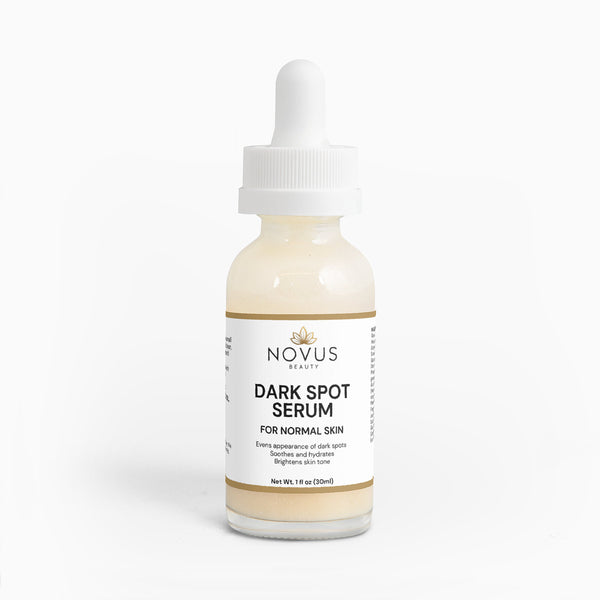
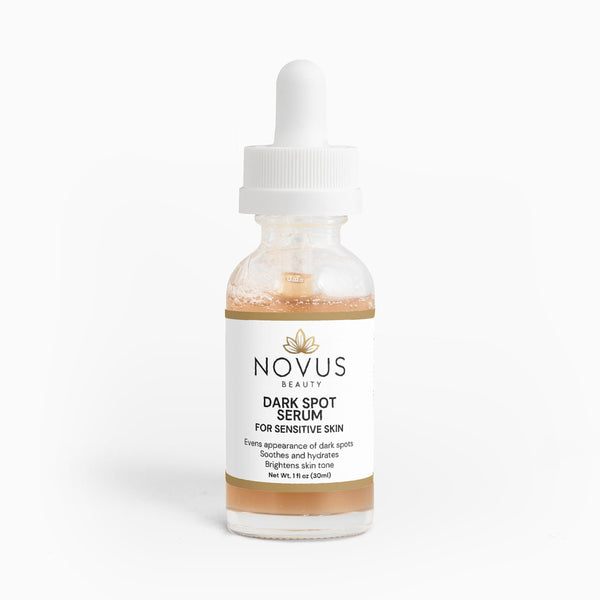
The 24/7 Dark Spot Correcting System is designed to target pigmentation throughout the day and night.
For a simpler approach, the 2 Step Dark Spot Bundle keeps your routine focused and effective.
What Actually Makes Dark Spots Fade
It’s not about doing more—it’s about doing the right things consistently.
When your routine includes:
- Targeted brightening ingredients
- Gentle skin renewal
- Proper hydration
- Minimal irritation
Your skin starts to respond.
How Long Should It Take?
Most dark spots begin to fade within 4–8 weeks with the right routine.
Stubborn pigmentation can take longer—but it will improve with consistency.
The key is patience and discipline.
Fix the Problem, Not Just the Surface
If your dark spots aren’t fading, your routine isn’t aligned with what your skin needs.
Once you correct that, everything changes.
Explore the full Novus Beauty collection.