

You might be calling it “dark spots”—but what you’re dealing with could be something entirely different.
Hyperpigmentation and melasma often look similar, but they behave very differently. And if you treat them the same way, you might not see results.
Understanding the difference is what allows you to finally fix it.
What Is Hyperpigmentation?
Hyperpigmentation is a general term for any darkened area of the skin caused by excess melanin.
It’s usually triggered by:
- Sun exposure
- Acne scars
- Inflammation or irritation
These spots are typically smaller, more defined, and easier to treat with the right routine.
What Is Melasma?
Melasma is more complex.
It’s often caused by hormonal changes and appears as larger, patchy areas—commonly on the cheeks, forehead, or upper lip.
Unlike regular hyperpigmentation, melasma sits deeper in the skin and is more prone to returning if not managed properly.
Why Treating Them the Same Doesn’t Work
This is where most routines fail.
Hyperpigmentation responds well to consistent brightening and exfoliation.
Melasma, on the other hand, requires a gentler, more controlled approach focused on calming inflammation and preventing triggers.
Using aggressive treatments on melasma can actually make it worse.
Step 1: Start with a Balanced Cleanse

Both conditions require a clean, calm base.
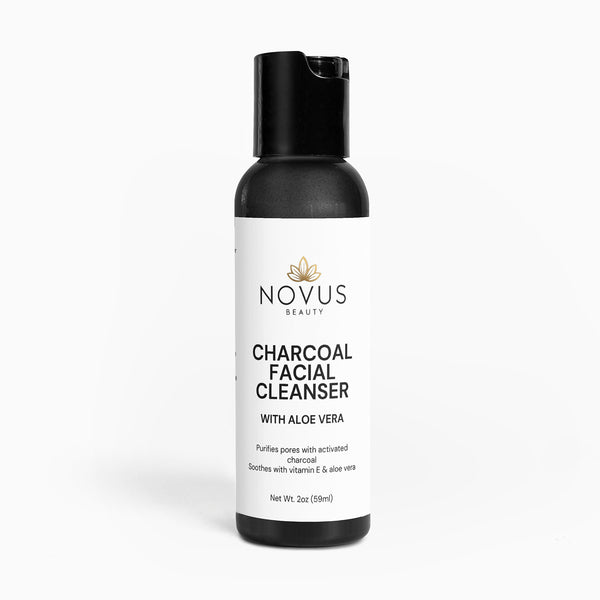
Your cleanser should remove buildup without triggering irritation.
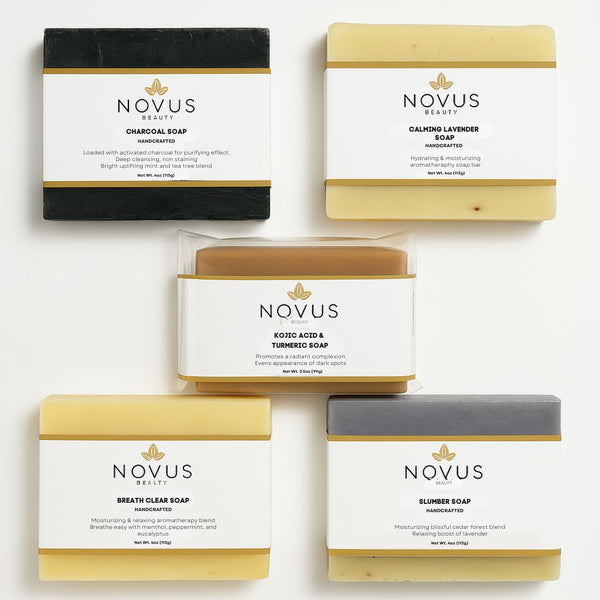
Breathe Clear Soap provides a refreshing cleanse while keeping your skin balanced.
For a more nourishing option, Coconut Beach Soap helps maintain hydration while gently cleansing.
Step 2: Brighten Strategically (Not Aggressively)

For hyperpigmentation, you can be more direct with brightening ingredients.
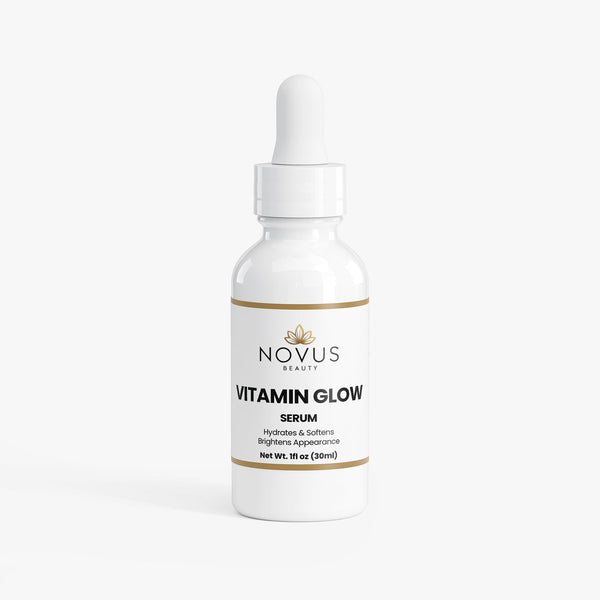
Vitamin Glow Serum helps improve overall skin clarity and radiance, making it ideal for surface-level pigmentation.
For melasma, consistency and gentleness are key.
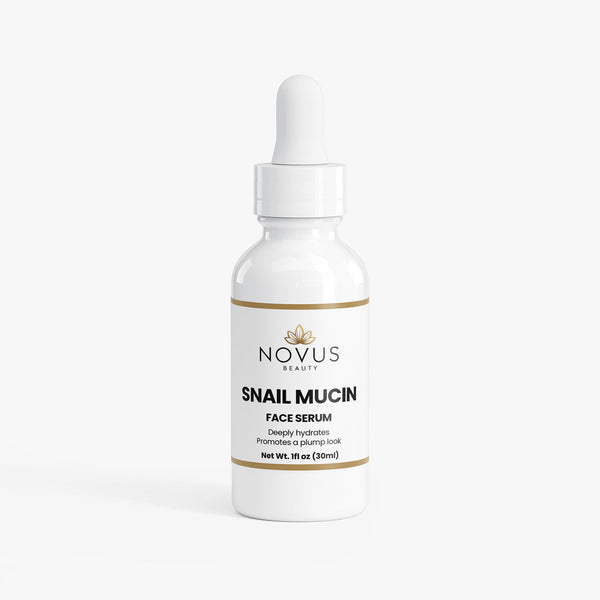
Snail Mucin Face Serum supports skin repair while improving tone gradually—without triggering irritation.
Step 3: Strengthen the Skin to Prevent Recurrence

Both hyperpigmentation and melasma worsen when your skin is inflamed or weakened.
Strengthening your skin helps prevent new discoloration from forming.
Peptide Moisturizer supports skin structure and resilience, helping your skin better handle environmental stress.
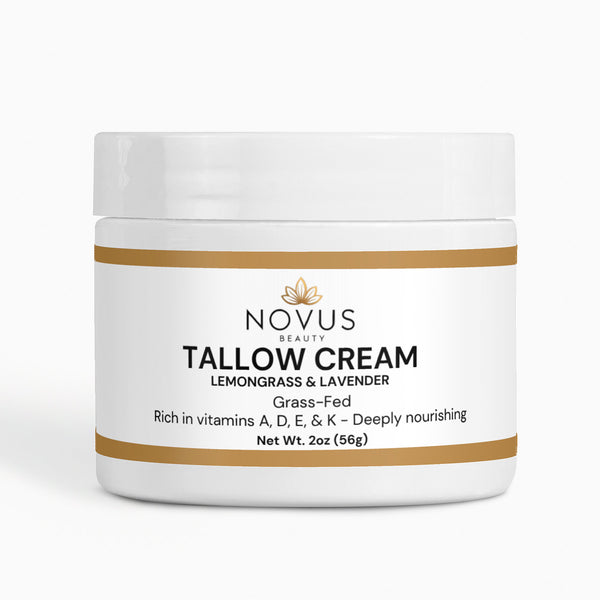
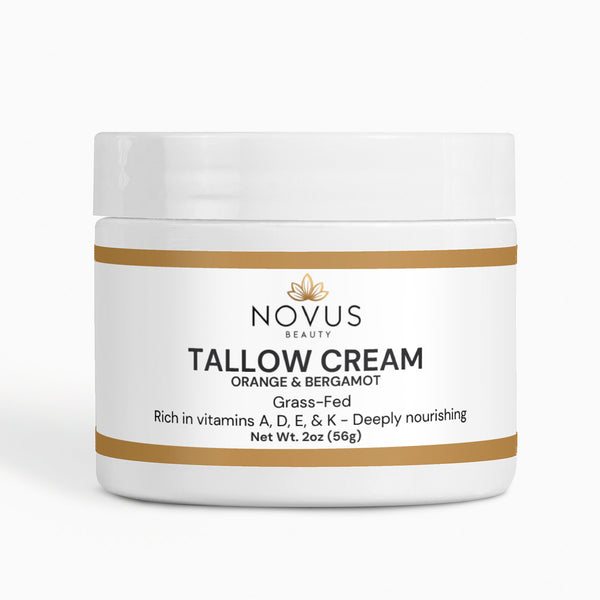
For additional nourishment, Tallow Cream Peaceful Night provides deep hydration while calming the skin.
Step 4: Improve Skin Clarity with Consistent Care

Clarity comes from consistency—not intensity.
PDRN Brightening Serum helps improve skin tone while supporting regeneration, making it suitable for both hyperpigmentation and melasma when used consistently.
Over time, this helps your skin look more even without aggressive treatments.
Step 5: Use the Right System Based on Your Condition

Choosing the right routine matters.
For hyperpigmentation, the Uneven Complexion Bundle targets tone correction and brightness effectively.
For more persistent discoloration, the Sun Damage Bundle helps address deeper, more complex pigmentation concerns.
How to Tell Which One You Have
Ask yourself:
- Are the spots small and defined? Likely hyperpigmentation.
- Are they larger, patchy, and recurring? Likely melasma.
If you’re unsure, treat your skin gently and avoid aggressive products until you understand how it responds.
What Actually Works for Both
No matter the condition, the foundation is the same:
- Gentle cleansing
- Consistent brightening
- Strong barrier support
- Hydration
This is what allows your skin to improve safely and effectively.
The Key to Clearer, More Even Skin
The difference between hyperpigmentation and melasma isn’t just technical—it determines how your skin should be treated.
Once you understand what you’re dealing with, your routine becomes more effective.
Explore the full Novus Beauty collection.