

Uneven skin tone can show up gradually or seemingly overnight. One day your complexion looks balanced, and the next you notice patches of discoloration, dullness, or lingering marks that make your skin feel inconsistent. While uneven tone is incredibly common, especially as skin matures, it’s often misunderstood and mistreated.
Treating uneven skin tone effectively starts with understanding what’s causing it and choosing solutions that correct pigment without stressing the skin.
What Uneven Skin Tone Really Means
Uneven skin tone is an umbrella term for variations in skin color across the face or body. This can include dark spots, redness, dullness, or patches that look deeper in color than surrounding skin. These changes occur when melanin production becomes uneven, often triggered by inflammation, sun exposure, or hormonal shifts.
As skin ages, it becomes more reactive to these triggers while also healing more slowly. This combination makes uneven tone more noticeable and harder to fade without the right approach.
The Most Common Causes of Uneven Skin Tone

Sun exposure is one of the leading causes. UV rays stimulate melanin production, and over time this leads to sun spots and general discoloration. Inflammation from acne, irritation, or aggressive skincare can also leave behind pigment long after the skin appears healed.
Hormonal changes, particularly after 35, influence how pigment is produced and distributed. Stress, lack of sleep, and environmental pollution further contribute by weakening the skin barrier and making discoloration more persistent.
Different Types of Uneven Skin Tone
Uneven skin tone isn’t a single condition. It shows up in different ways depending on what triggered the pigment change and how your skin responds to stress. This is why using one “brightening” product often leads to mixed results.
Post-acne marks (post-inflammatory hyperpigmentation) usually appear after a breakout has healed. These marks are flat, not raised, and can range from red or pink to light or deep brown depending on your skin tone. They’re a response to inflammation rather than sun exposure, which means they fade best with calming, pigment-balancing ingredients rather than harsh exfoliation.
Widespread dullness or uneven radiance looks less like individual spots and more like a lack of brightness across the face. Skin may appear tired, sallow, or greyed even when there are no obvious dark patches. This type of uneven tone is often linked to dehydration, slowed cell turnover, and a weakened skin barrier, all of which become more common with age. Hydration and antioxidant support typically improve this type more effectively than strong brightening actives.
Sun-related discoloration tends to develop slowly and cluster in high-exposure areas like the cheeks, forehead, and nose. These spots often look more defined or speckled and may deepen over time if not managed. Because sun damage is cumulative, it usually requires long-term care focused on pigment regulation and ongoing protection rather than short, intensive treatments.
Many people experience a combination of these types at once. For example, you may have lingering post-acne marks alongside sun damage from years past, layered over general dullness from dehydration or stress. Identifying which type is most dominant helps you choose products that correct pigment without overwhelming your skin. When treatments are matched to the underlying cause, results are more consistent and irritation is far less likely.
How to Treat Uneven Skin Tone Gently and Effectively

Gentle correction works better than aggressive treatments, especially for sensitive or aging skin. Supporting pigment balance while keeping the skin barrier intact allows tone to improve steadily over time.
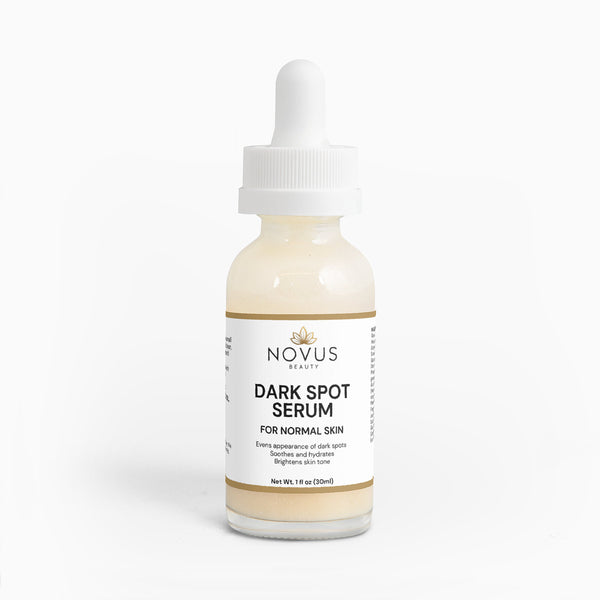
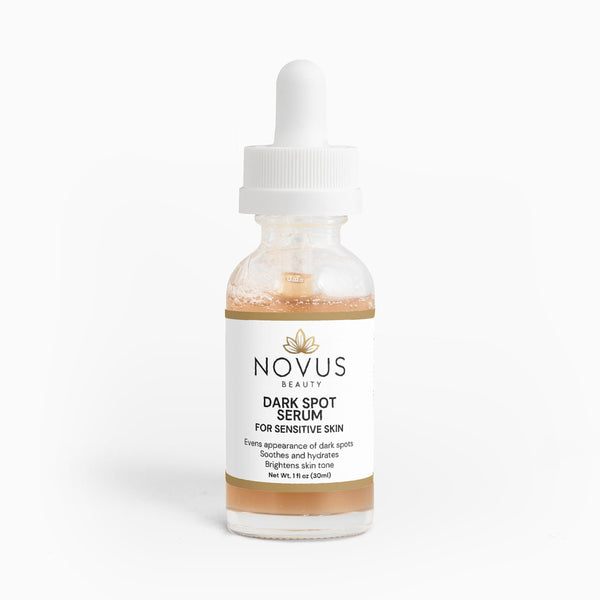
Targeted serums are key. Dark Spot Correcting Serum for Normal Skin helps address visible discoloration while supporting overall clarity. If your skin is prone to redness or sensitivity, Dark Spot Correcting Serum for Sensitive Skin offers a slower, more comfortable path to improvement.
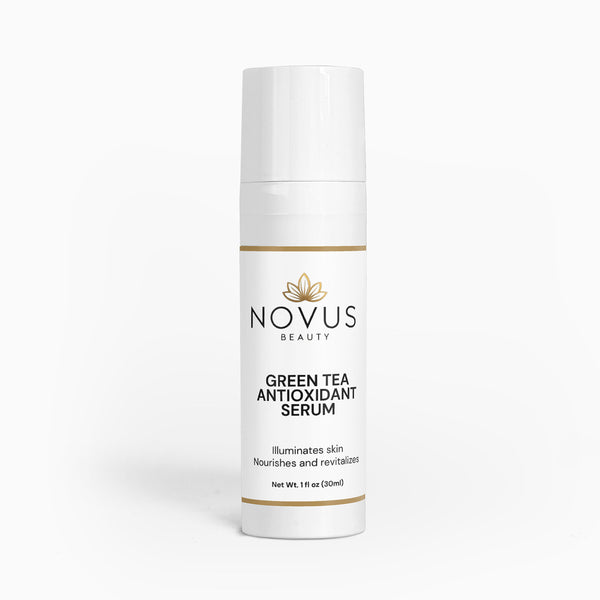
Antioxidant support also plays a role in preventing new discoloration. Green Tea Antioxidant Serum helps protect against environmental stress while supporting a brighter, more even-looking complexion.
Why Cleansing and Prep Matter More Than You Think

Treatments work best when applied to calm, balanced skin. Harsh cleansing can trigger inflammation that worsens uneven tone. Using Gentle Balancing Toner after cleansing helps restore balance and prepares skin for corrective products.
A gentle cleanser like Gentle Cleansing Gel removes impurities without disrupting the skin’s protective barrier, helping reduce daily irritation that contributes to pigment irregularities.
Hydration Helps Tone Look More Even
Dehydrated skin reflects light unevenly, which can exaggerate discoloration. Hydration smooths the skin surface, making tone appear more uniform while supporting skin health.

Watermelon Hydration Moisturizer delivers lightweight moisture that helps improve radiance without feeling heavy, making it ideal for skin dealing with uneven tone and sensitivity.
Why Consistency Beats Intensity
Uneven skin tone improves gradually. Constantly switching products or increasing strength too quickly often delays progress. A simple routine that supports pigment balance, hydration, and barrier health allows skin to recalibrate naturally.
Novus Beauty bundles designed for uneven complexion simplify this process by pairing products that work together rather than competing with each other.
Even Tone Is a Long-Term Win
Improving uneven skin tone isn’t about erasing every mark overnight. It’s about supporting skin so it functions more evenly over time. With the right care, tone becomes more balanced, radiant, and resilient.

Ready to support a brighter, More Even-Looking Complexion?
Explore the full Novus Beauty collection and discover solutions designed to gently correct uneven skin tone at every stage.
Shop all products