

If your skin suddenly feels different after 35, drier, more reactive, prone to breakouts, or uneven in tone, you’re not imagining it. Hormonal shifts begin earlier than many people expect, and skin is often one of the first places those changes show up. What worked effortlessly in your 20s and early 30s may now feel unpredictable or ineffective.
These changes aren’t a sign that your skin is failing. They’re a signal that your skin needs a different kind of support.
How Hormones Affect Your Skin as You Age
Estrogen plays a major role in maintaining skin hydration, elasticity, and barrier strength. As estrogen levels begin to fluctuate in your mid-30s and beyond, skin often produces less natural oil and holds onto moisture less efficiently. This can lead to dryness, increased sensitivity, and a slower healing response.
At the same time, hormonal imbalance can trigger congestion and breakouts, especially around the jawline and chin. This combination of dryness and acne is one of the most confusing aspects of hormonal skin changes, and it’s why aggressive treatments tend to backfire.
Why Hormonal Skin Often Feels More Sensitive
As hormone levels shift, the skin barrier becomes thinner and more reactive. Ingredients that once felt gentle may suddenly cause stinging or redness. Over-exfoliation, frequent product switching, and strong actives can further stress the skin, leading to inflammation that worsens pigmentation and breakouts.
Supporting the barrier becomes more important than chasing fast results. Gentle, consistent care helps the skin recalibrate rather than stay stuck in a reactive cycle.
Common Hormonal Skin Concerns After 35 Explained
Hormonal skin changes rarely show up as just one issue. Instead, they tend to appear as a combination of concerns that feel contradictory and frustrating.
Persistent dryness is often the first sign. Even when using richer moisturizers, skin may still feel tight or uncomfortable. This happens because hormonal shifts reduce the skin’s ability to retain water, not just oil. When the skin barrier weakens, moisture escapes faster than creams can replace it, which is why heavier products alone often fall short.

At the same time, many people experience adult acne, even if their skin feels dry or sensitive. Hormonal fluctuations can increase oil production in specific areas, particularly around the jawline and chin, while the rest of the face feels dehydrated. This imbalance creates the perfect environment for congestion without the excess oil typically seen in teenage acne.
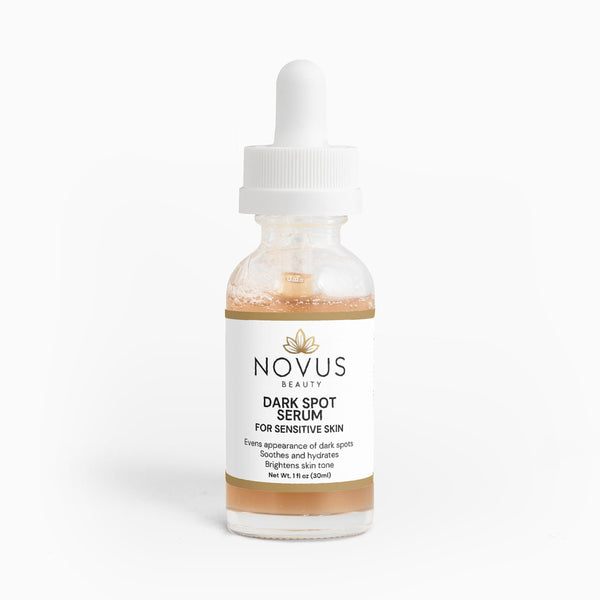
Uneven skin tone and lingering dark spots also become more noticeable after 35. As hormones shift, pigment-producing cells become more reactive, meaning even minor inflammation from a breakout, irritation, or sun exposure can leave behind marks that take longer to fade. Because skin cell turnover slows with age, these spots linger longer than they used to.

What makes hormonal skin especially challenging is that these issues often exist at the same time. Dryness, breakouts, sensitivity, and discoloration feed into one another. Treating dryness with heavy products can worsen congestion, while using acne treatments that dry the skin further weakens the barrier and increases irritation.
This is why addressing hormonal skin concerns individually rarely works. Skin needs a routine that supports hydration to restore comfort, calming ingredients to reduce inflammation, and balancing care to regulate oil and pigment production simultaneously. When skin feels supported instead of pushed in opposing directions, it can finally stabilize and respond more predictably.
Does This Sound Like Your Skin?
You might be dealing with hormonal skin changes if any of these feel familiar.
Your skin feels dry and tight, yet heavier creams don’t seem to fully fix it.
You’re getting breakouts along the jawline or chin, even though your skin isn’t oily overall.
Dark spots or marks from old blemishes are taking longer to fade than they used to.
Products that once worked well now cause stinging, redness, or irritation.
Your skin feels unpredictable, clear one week and reactive the next.
You’re using more products than ever, but your skin feels less balanced.
If you nodded along to more than one of these, your skin likely isn’t “misbehaving.” It’s responding to hormonal shifts that affect hydration, oil balance, pigment response, and barrier strength all at once.
When skin changes like this happen together, the solution isn’t stronger products or more steps. It’s a routine that supports calm, hydration, and balance simultaneously, allowing your skin to stabilize instead of constantly reacting.
How to Support Hormonal Skin Without Overcorrecting
Cleansing sets the tone for the entire routine. Using a non-stripping cleanser like Gentle Cleansing Gel helps remove impurities without triggering dryness or irritation.

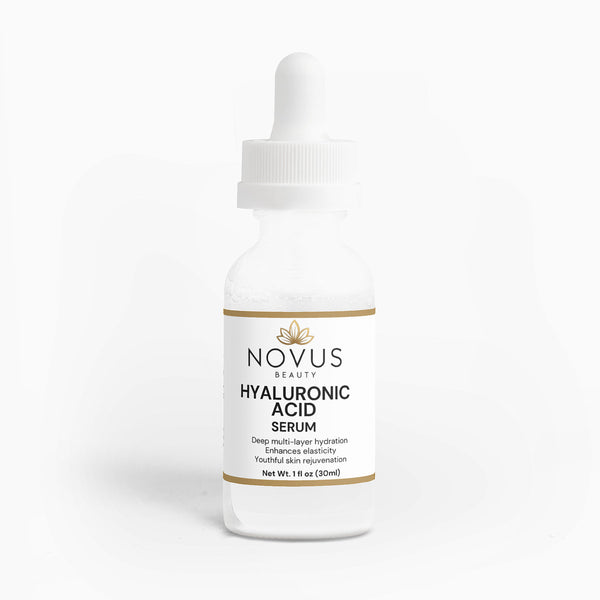
Hydration should be layered, not forced. Hyaluronic Acid Serum helps draw moisture into the skin, making it more resilient and comfortable throughout the day. Following with Anti Aging Moisturizer for Normal Skin supports elasticity and nourishment without feeling heavy.

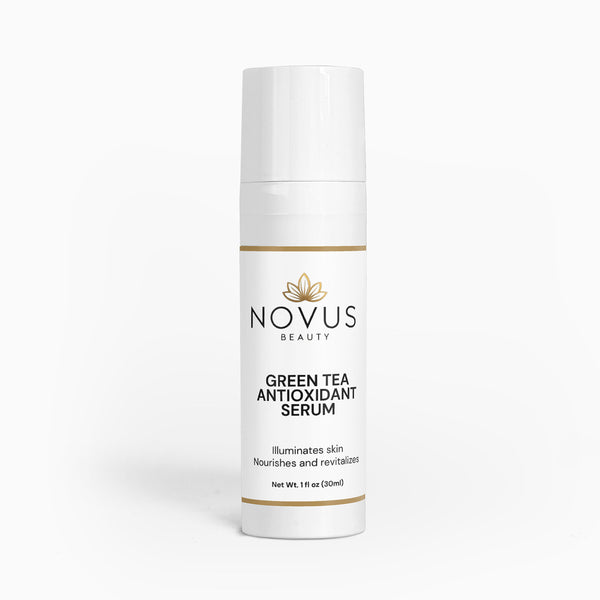
For skin that feels inflamed or easily overwhelmed, calming antioxidants help reduce daily stress. Green Tea Antioxidant Serum supports a more balanced complexion while protecting against environmental triggers that can worsen hormonal sensitivity.
Managing Breakouts Without Drying Your Skin

Hormonal breakouts require a gentler approach than teenage acne. Drying treatments often increase oil production and inflammation. Lightweight, soothing formulas help calm breakouts while preserving moisture.
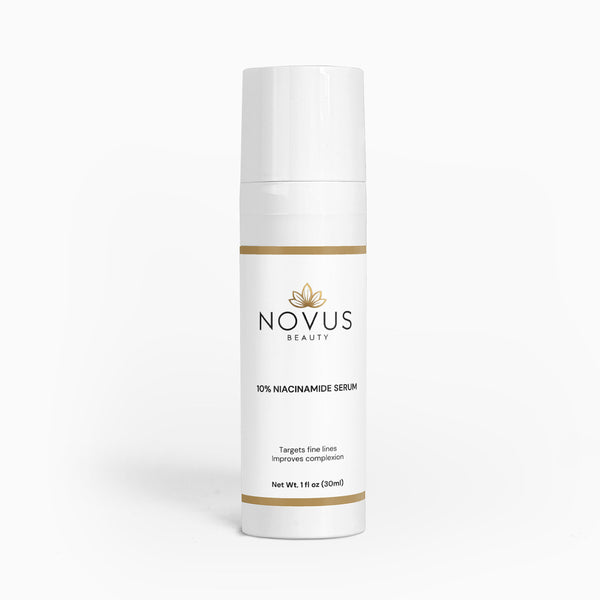
Using Aloe & Tea Tree Radiance Gel as a targeted treatment helps soothe active blemishes without compromising the skin barrier. Supporting tone with 10% Niacinamide Serum helps reduce redness and post-breakout marks over time.
Why Nighttime Care Matters More Now
Skin repair slows with age, making nighttime support essential. During sleep, skin focuses on repair and renewal, but only if it’s properly supported.

Using Hydrating Collagen Night Cream for Revitalized Skin helps replenish moisture and support firmness while you rest. For especially reactive skin, Recovery Cream helps reinforce the barrier and improve resilience by morning.
Supporting Hormonal Skin Is About Consistency
Hormonal skin changes don’t respond well to constant experimentation. A simple, supportive routine used consistently allows the skin to stabilize and adapt. Progress may feel gradual, but improvements in comfort, tone, and resilience build over time.
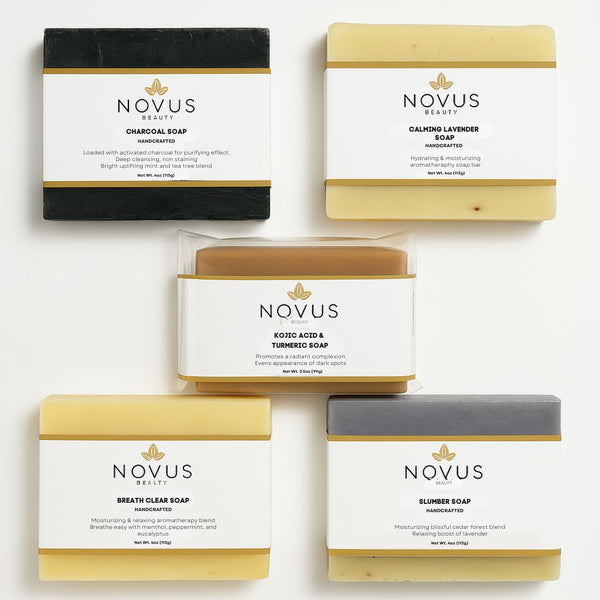
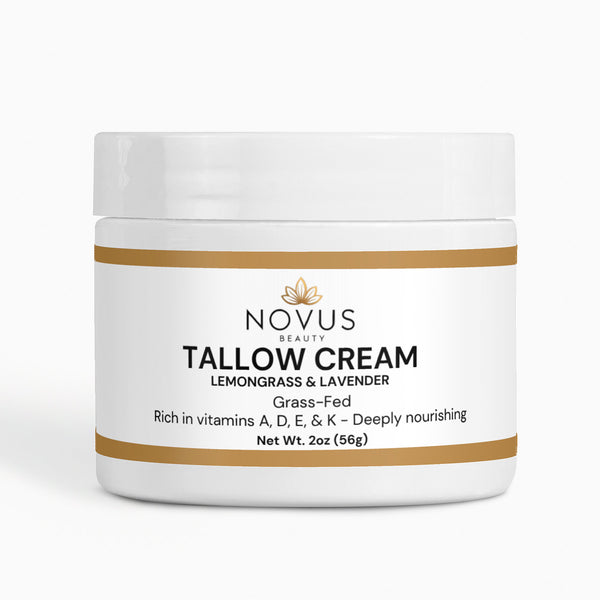
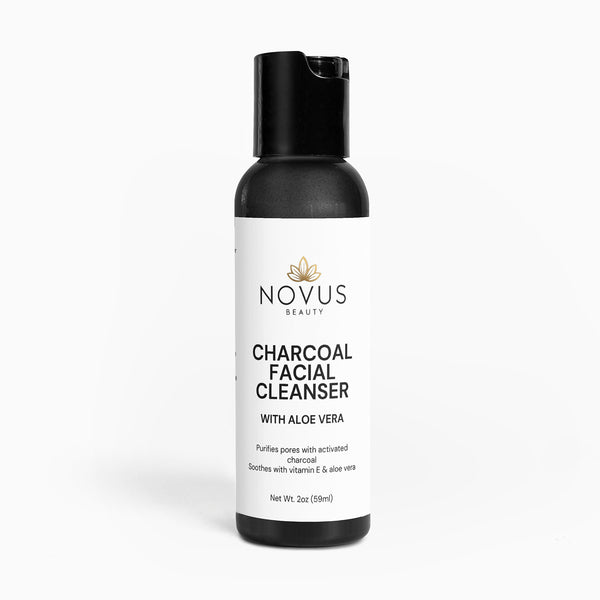
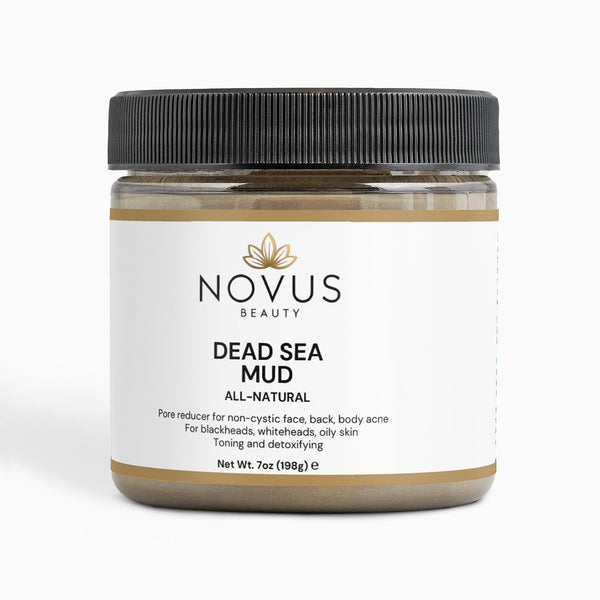
Novus Beauty bundles designed for aging and sensitive skin help simplify this process by pairing products that work together rather than compete with each other.
Your Skin Is Changing, Not Failing

Hormonal skin changes are a natural part of aging, not a setback. When you shift your routine to support hydration, calm, and barrier strength, your skin becomes more balanced and predictable again.
Ready to Support Your Skin through hormonal changes with care that adapts as you do?
Explore the full Novus Beauty collection and discover solutions designed for evolving skin at every stage.
Shop all products