

Acne may eventually heal, but the marks it leaves behind often linger much longer. Many people search for ways to fade acne marks quickly, especially when those marks affect overall skin tone. These lingering spots are usually a form of post-inflammatory hyperpigmentation, which occurs when the skin produces excess pigment after inflammation.
While it may be tempting to reach for strong exfoliants or aggressive treatments, these approaches can often worsen pigmentation. Learning how to fade acne marks safely allows the skin to recover while preventing further irritation.
What Causes Post-Acne Marks?
Post-acne marks develop when the skin produces extra melanin in response to inflammation. When a breakout damages the skin, melanocytes become activated and release pigment as part of the healing process.
This pigment remains in the skin after the acne clears, creating visible discoloration that may appear brown, purple, or reddish depending on skin tone.
Post-acne marks tend to be more noticeable when:
- Breakouts are inflamed
- Acne lesions are picked or squeezed
- The skin barrier is weakened
- Sun exposure worsens pigmentation
Because these marks are triggered by inflammation, calming the skin is one of the most important steps in treatment.
Why Aggressive Treatments Can Make Acne Marks Worse
Many people attempt to treat acne marks with strong exfoliation. While exfoliation can help remove pigmented cells over time, excessive exfoliation often causes additional inflammation.
Inflammation signals melanocytes to produce more pigment, which can deepen discoloration instead of fading it.
The safest post inflammatory hyperpigmentation treatment focuses on pigment regulation and barrier repair rather than aggressive resurfacing.
Step One: Cleanse Without Irritating the Skin
A gentle cleanser removes excess oil and impurities without stripping the skin barrier.

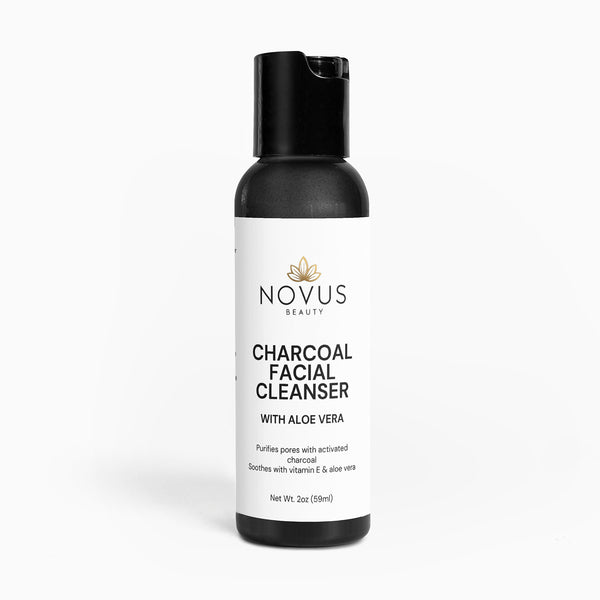
Charcoal Facial Cleanser helps purify pores while maintaining balance in the skin. Activated charcoal helps draw out impurities that contribute to breakouts while supporting a clearer complexion.
Keeping pores clear reduces the likelihood of new acne forming, which helps prevent additional pigmentation.
Step Two: Regulate Pigment Production
Targeting the pigment pathway helps fade acne marks more efficiently.

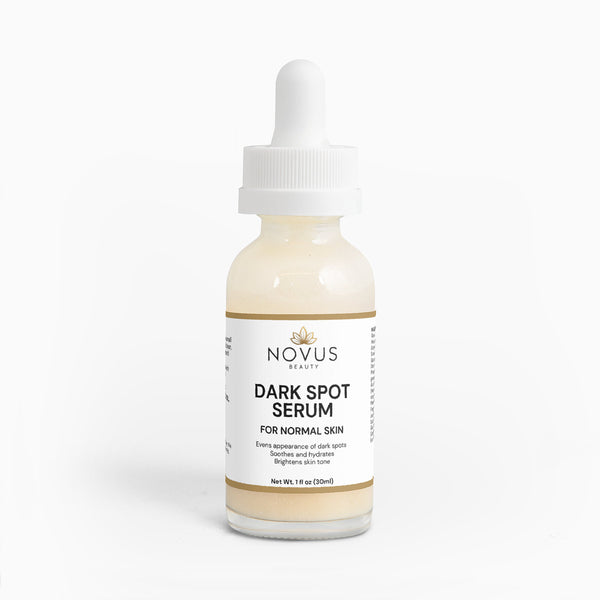
Dark Spot Correcting Serum for Normal Skin helps regulate melanin production while calming inflammation. Ingredients like hexylresorcinol help interrupt pigment formation, while niacinamide supports barrier strength and reduces redness.
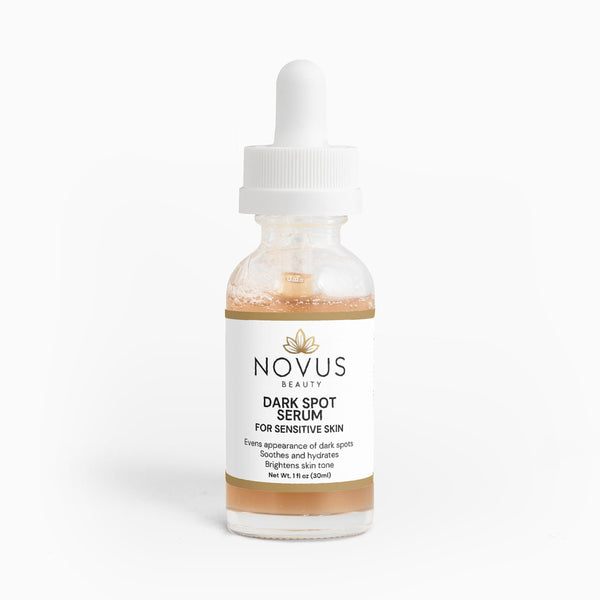
For skin that reacts easily to actives, Dark Spot Correcting Serum for Sensitive Skin provides a gentler approach. Adaptogenic mushroom extracts help balance skin responses to stress while gradually brightening uneven tone.
Step Three: Calm Inflammation
Inflammation plays a major role in post-acne pigmentation. Calming the skin helps prevent pigment cells from remaining overactive.

Aloe & Tea Tree Radiance Gel combines soothing aloe with tea tree oil to support clearer skin. Aloe helps calm redness while tea tree oil helps reduce acne-causing bacteria.
By controlling inflammation and preventing new breakouts, this step reduces the chances of new acne marks forming.
Step Four: Support Skin Renewal
Healthy skin renewal allows pigmented cells to gradually move to the surface and fade.

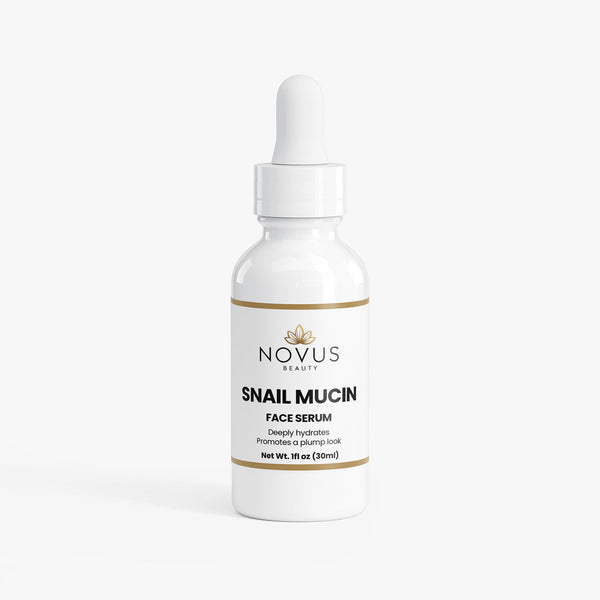
Snail Mucin Face Serum supports skin regeneration while improving hydration. Snail mucin contains naturally occurring compounds that help support skin repair and improve overall texture.
Well-hydrated, regenerating skin allows pigmentation to fade more evenly.
Step Five: Maintain Barrier Health

A strong skin barrier helps prevent ongoing inflammation and irritation.
Peptide Moisturizer helps support skin repair while improving elasticity. Peptides assist the skin’s natural repair process, while cranberry extract provides antioxidant protection that helps maintain overall skin health.
Barrier-supportive moisturizers help ensure that brightening treatments remain effective without causing irritation.
How Long Does It Take to Fade Acne Marks?
Fading acne marks requires patience because the skin must gradually renew itself. Mild discoloration may begin to fade within several weeks, while deeper pigmentation may take several months.
Consistency plays the most important role in treatment. Gentle routines performed daily tend to produce better long-term results than aggressive treatments used sporadically.
Preventing Future Acne Marks
Preventing acne marks is just as important as treating existing ones. The following habits can help reduce pigmentation:
- Avoid picking or squeezing blemishes
- Use calming ingredients that reduce inflammation
- Maintain a strong skin barrier
- Treat breakouts early
When acne is managed effectively, the risk of post-inflammatory pigmentation decreases significantly.
Clearer Skin Starts With Calm Skin
Acne marks can be frustrating, but they are often temporary when treated properly. By focusing on calming inflammation, regulating pigment production, and supporting the skin barrier, you can fade acne marks without causing additional irritation.
Gentle, consistent skincare allows the skin to recover naturally while improving overall tone and texture.
Build a Routine That Supports Clear, Even Skin
Explore the full Novus Beauty collection to create a routine designed to reduce acne marks, support skin repair, and maintain a healthy skin barrier.
Shop all products HERE