

If there's one skincare topic worth understanding completely, it's sun damage. Not the dramatic kind, not the kind you see after a bad burn, but the slow, cumulative kind that happens every single day you spend outdoors without proper protection. This is the kind that adds up quietly over years and then shows up all at once as dark spots, uneven texture, fine lines, and a dullness that no amount of sleep seems to fix.
The good news is that understanding how it works puts you in a much better position to prevent it and, in many cases, reverse what's already been done.
What Photoaging Actually Is
Photoaging is the term dermatologists use for premature aging caused specifically by UV exposure. It's different from chronological aging, which is the natural process that happens regardless of sun exposure. Photoaging accounts for up to 80% of visible facial aging, according to widely cited research. That's not a small number.
When UV rays penetrate the skin, they damage DNA in skin cells, break down collagen and elastin, and trigger the production of excess melanin. That's where dark spots come from. Over time, repeated exposure compounds this damage, thinning the skin, deepening lines, and creating the uneven pigmentation many people notice as they get older.
The Ingredients That Actually Repair Sun-Damaged Skin
You can't fully undo years of sun damage, but targeted ingredients can make a meaningful, visible difference in how that damage looks and progresses.
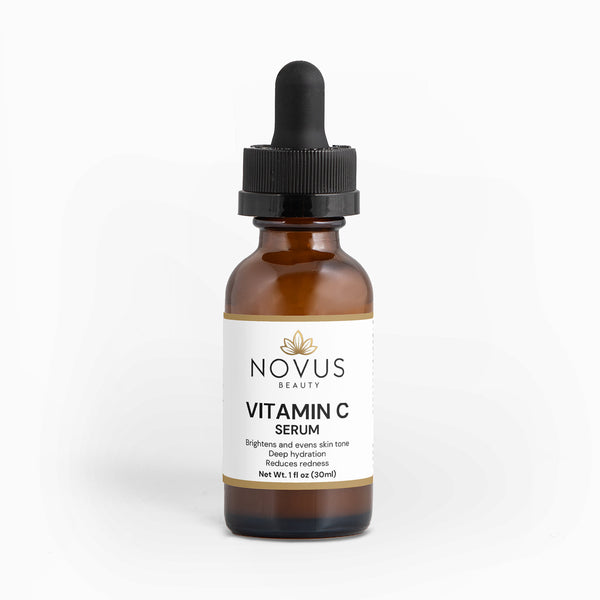
Vitamin C is one of the most important. It's a powerful antioxidant that neutralizes free radicals from UV exposure and actively works to brighten existing dark spots by inhibiting excess melanin production. Used every morning before SPF, it's one of the best preventive and reparative tools available.

The Vitamin C Serum from Novus Beauty is a solid daily choice for keeping vitamin C in your morning routine all summer. Apply it right after cleansing and before moisturizer for maximum antioxidant protection throughout the day.
Shop Now: Vitamin C Serum
Going Deeper: PDRN for Skin Regeneration
For those dealing with more significant sun damage, a newer ingredient called PDRN (polynucleotides) is worth knowing about. Originally used in clinical and aesthetic medicine for skin regeneration, PDRN works at a cellular level to support DNA repair and tissue renewal. In topical skincare, it translates to improved skin tone, reduced discoloration, and a visibly brighter, more even complexion over time.

The PDRN Brightening Serum is an advanced option for anyone who wants to address sun damage from a cellular repair angle. It layers well under your regular moisturizer and is gentle enough for daily use.
Shop Now: PDRN Brightening Serum
When You Want All-Over Radiance
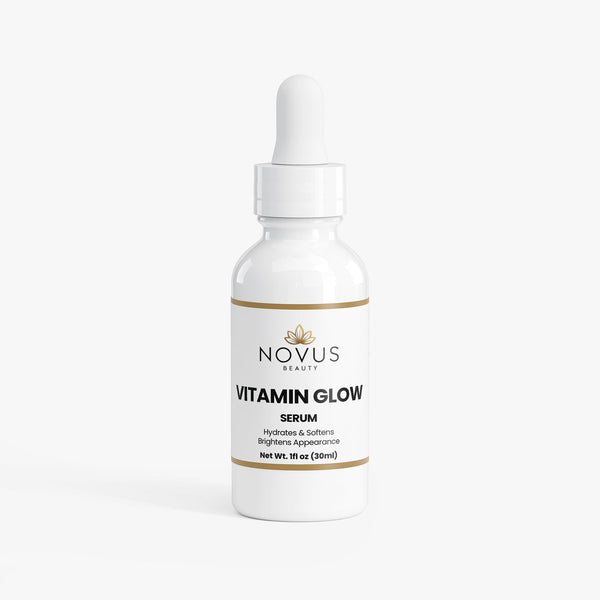
For a more comprehensive brightening approach, the Vitamin Glow Serum combines multiple skin-brightening vitamins into one formula. If you're dealing with overall dullness from sun exposure rather than isolated spots, this multi-vitamin approach can deliver a more even, luminous result.
Prevention Is Still the Best Strategy
All the brightening serums in the world work better when you're not adding new sun damage on top of them. Wearing broad-spectrum SPF every single day, including on cloudy days and while driving, is non-negotiable if you want real, lasting results from your skincare routine.
Think of your brightening serums and antioxidants as the repair crew, and your SPF as the prevention team. They work best together.