

If you’re noticing patches of discoloration, uneven tone, or stubborn marks that don’t seem to fade, you’re not imagining it. Pigmentation issues are one of the most common skincare concerns, especially as skin changes with age. The tricky part is that not all discoloration is the same. Dark spots and sun damage are often lumped together, but they form differently and need slightly different approaches to see real improvement.
Understanding what’s actually happening beneath the surface of your skin is the first step toward treating it effectively and without unnecessary irritation.
Why Dark Spots and Sun Damage Are So Often Confused
Both dark spots and sun damage appear as areas of excess pigment, but they don’t come from the same cause. Dark spots, also known as post-inflammatory hyperpigmentation, usually develop after inflammation. Acne, irritation, bug bites, or even aggressive skincare can leave behind pigment once the skin heals.
Sun damage, on the other hand, builds slowly over time. Years of UV exposure stimulate pigment production deep within the skin, creating sun spots or age spots that tend to linger unless addressed intentionally.
Because many people experience both types at once, especially after 35, it’s easy to misidentify the root cause and reach for products that don’t fully match what your skin needs.
How to Tell If You’re Dealing With Dark Spots

Dark spots usually have a clear origin. You might remember exactly where they came from, a breakout that healed, a patch of irritation, or an old blemish that never fully faded. These spots are flat, range from light to deep brown depending on your skin tone, and often respond well to consistent brightening care.

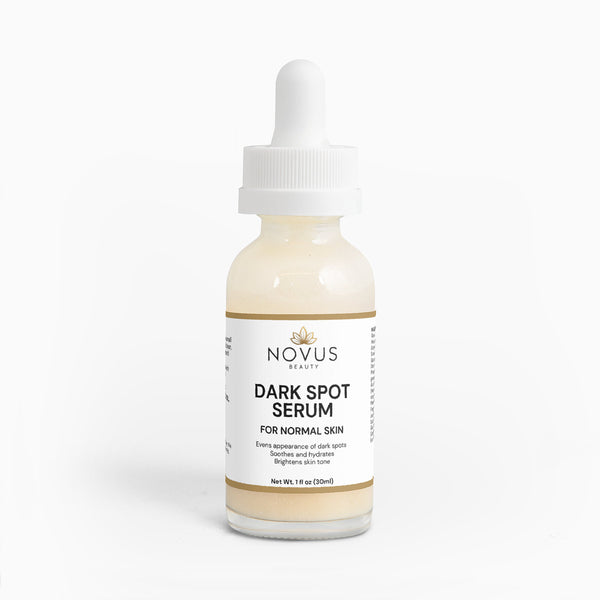
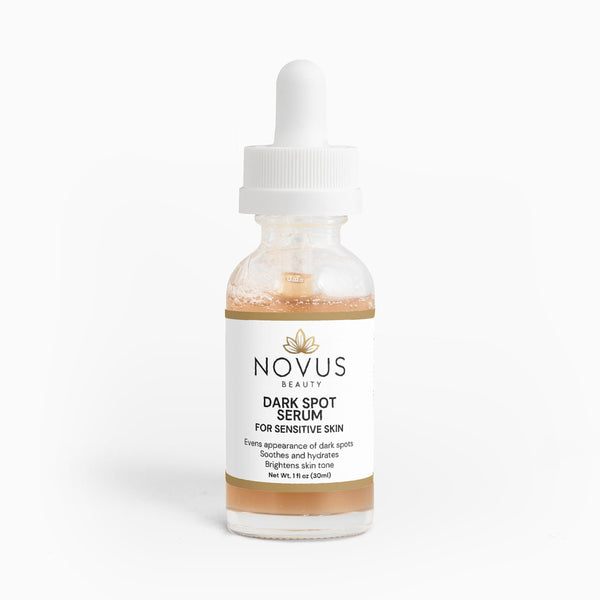
Targeted treatments help interrupt excess pigment production while supporting skin clarity. For skin that tolerates actives well, Dark Spot Correcting Serum for Normal Skin is designed to help visibly improve uneven tone without overloading the skin. If your skin is reactive or easily irritated, Dark Spot Correcting Serum for Sensitive Skin offers a gentler option that focuses on gradual brightening and barrier support.
How to Tell If It’s Sun Damage

Sun damage tends to appear in areas that see the most exposure, such as the cheeks, forehead, nose, and hands. These spots often look more scattered or clustered and may deepen over time rather than fade on their own. Unlike dark spots caused by inflammation, sun damage reflects cumulative exposure rather than a single event.

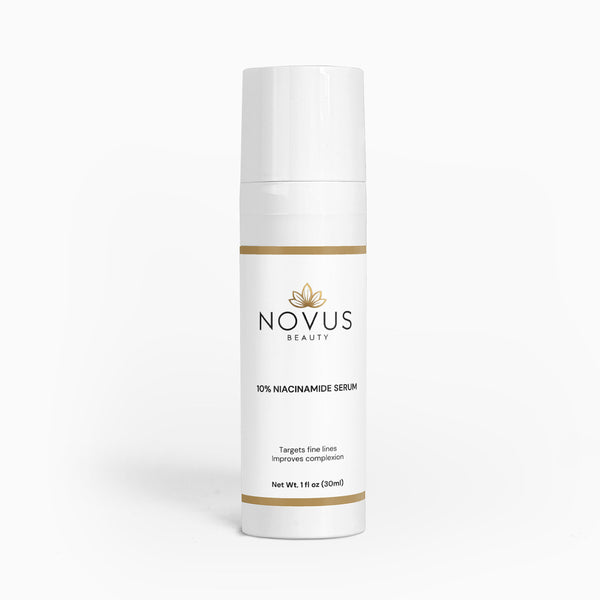
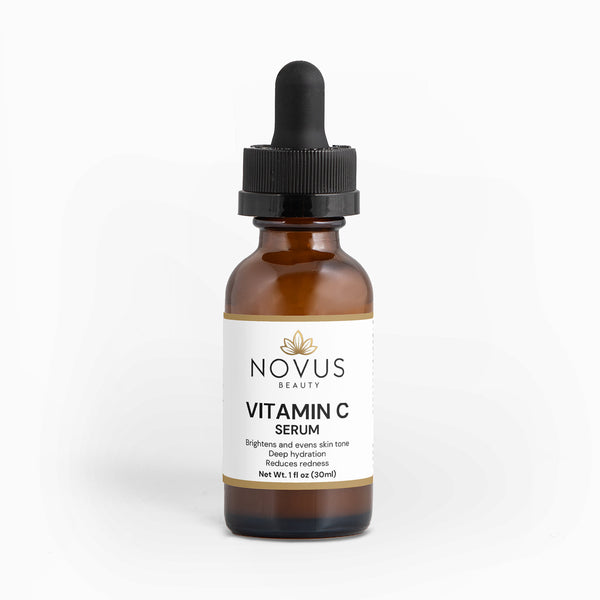
Addressing sun damage requires a long-term mindset. Antioxidants help support brighter-looking skin while defending against environmental stress. Vitamin C Serum works to enhance radiance, while 10% Niacinamide Serum helps balance tone and support a stronger skin barrier, which is essential for preventing future discoloration.
When You’re Dealing With Both at the Same Time
It’s very common to have layered pigmentation, older sun damage combined with newer dark spots from breakouts or irritation. This is where overly aggressive routines tend to backfire. Excess exfoliation or stacking too many actives can create inflammation, which leads to even more pigmentation.

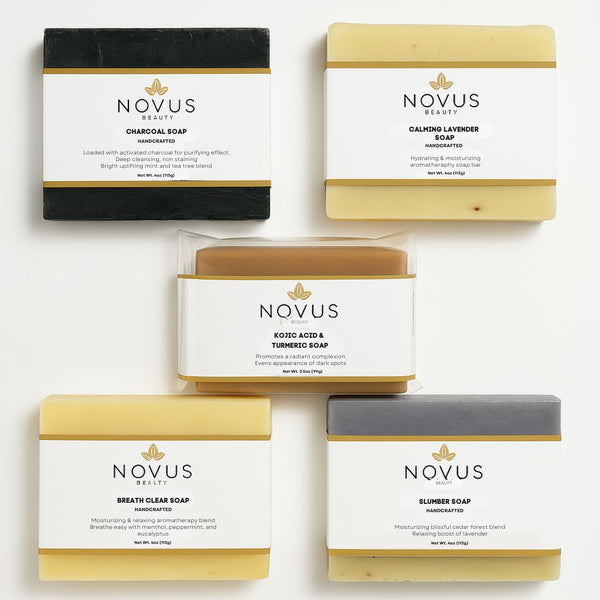
A supportive foundation makes a noticeable difference. Cleansing gently with Gentle Cleansing Gel helps remove impurities without stripping the skin. Incorporating Kojic Acid & Turmeric Soap a few times a week can help support a brighter-looking complexion when used intentionally rather than daily.
How to Treat Pigmentation Without Irritating Your Skin
The most effective approach focuses on consistency and skin comfort. Hydration plays a bigger role in pigmentation correction than many people realize. Well-hydrated skin tolerates corrective ingredients better and recovers more efficiently.

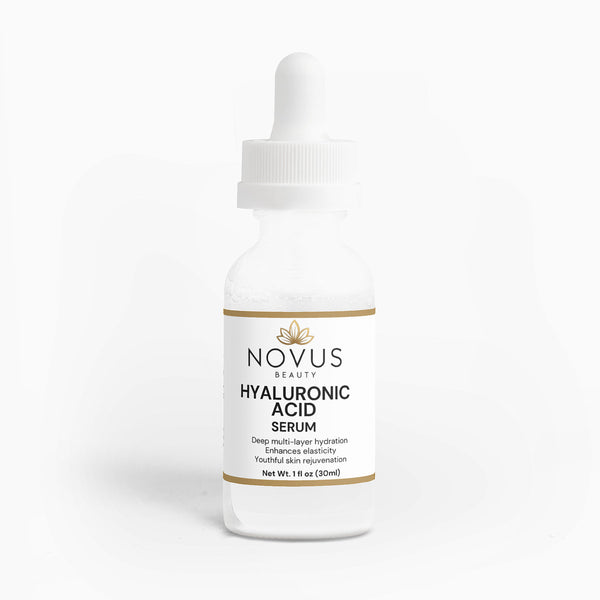
Lightweight hydration from Hyaluronic Acid Serum helps maintain moisture levels so brightening ingredients can do their job without stressing the skin. At night, Recovery Cream supports the skin barrier while your skin naturally repairs itself.
For those who want a structured, done-for-you approach, Novus Beauty bundles simplify the process. Options like the 2-Step Dark Spot Bundle or the 3-Step Dark Spot Routine are designed to work together, helping address uneven tone while minimizing the risk of irritation.
What Results to Expect Over Time
Dark spots caused by inflammation often show visible improvement within several weeks of consistent use. Sun damage typically takes longer and requires ongoing care and protection. Progress is gradual, but improvements in clarity and overall tone are signs your routine is supporting your skin properly.
Switching products too frequently can slow progress. Staying consistent gives your skin the time it needs to respond and rebalance.
Clearer Skin Starts With Understanding
Knowing whether you’re dealing with dark spots, sun damage, or both allows you to make smarter skincare choices. When treatment is paired with patience, hydration, and barrier support, brighter and more even-looking skin becomes achievable without overwhelming your routine.
Explore the full Novus Beauty collection and discover solutions designed to work with your skin at every stage.
Shop all products here.